
If you’re tired of waking up with mysterious stains and suspicious odors, you’re not alone. Mattress cleaning often gets pushed to the bottom of the to-do list, and then boom—dingy looking sheets, squeaky springs, and a little IRL science experiment in your bed. Let’s fix that with seven practical hacks that actually work. No hype, just results you can feel in the morning.
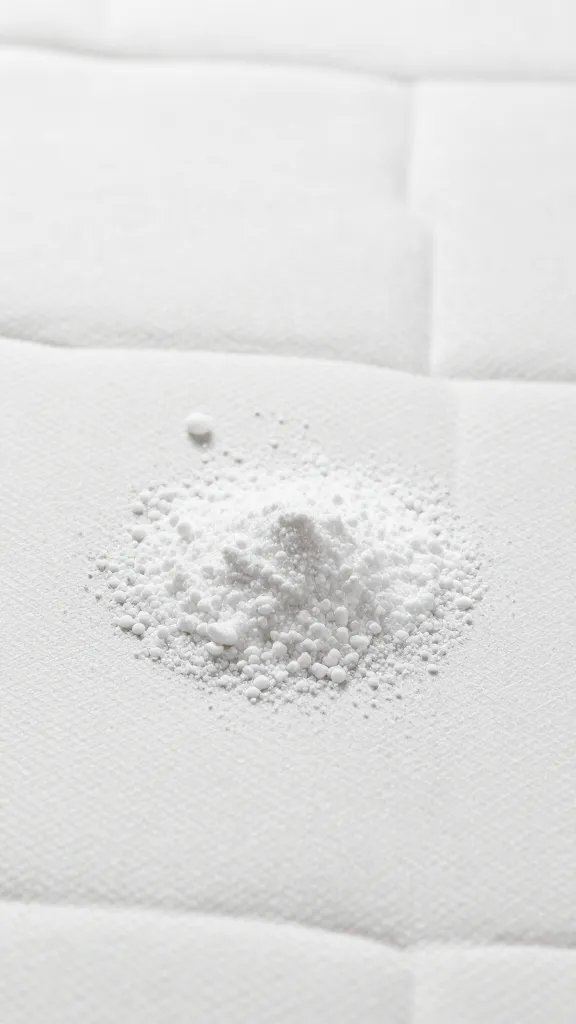
1. Quick freshen-up: baking soda magic dust
Baking soda is basically the duct tape of cleaning: cheap, effective, and oddly satisfying to sprinkle. This hack won’t remove stubborn stains, but it will neutralize odors and lift surface moisture.
– Sprinkle a thick layer over the entire mattress.
– Let it sit for at least 30 minutes (the longer, the better).
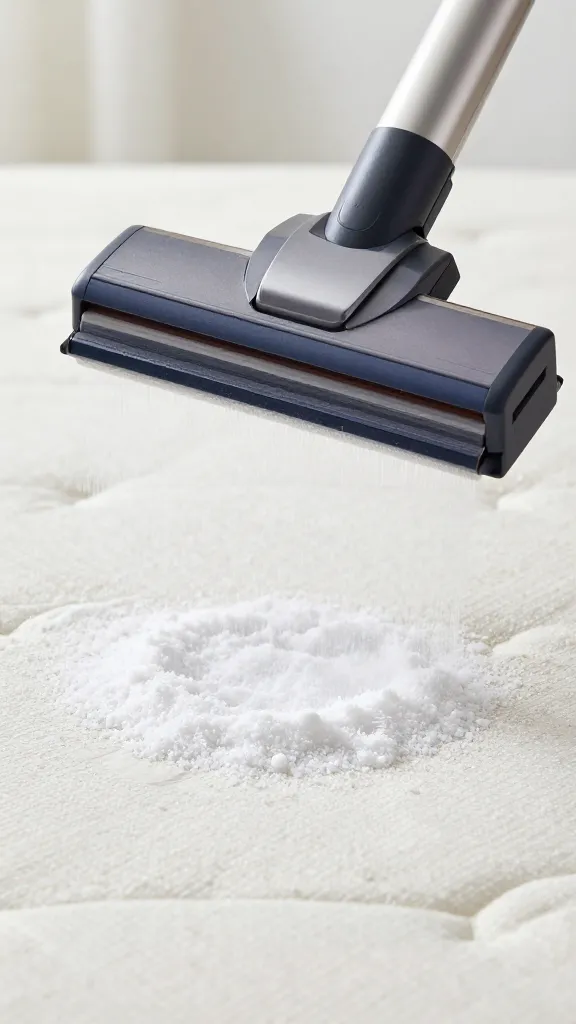
– Vacuum thoroughly to remove residues.
FYI: For a more intense effect, leave it overnight. Your nose will thank you.
2. Treat stains like a detective
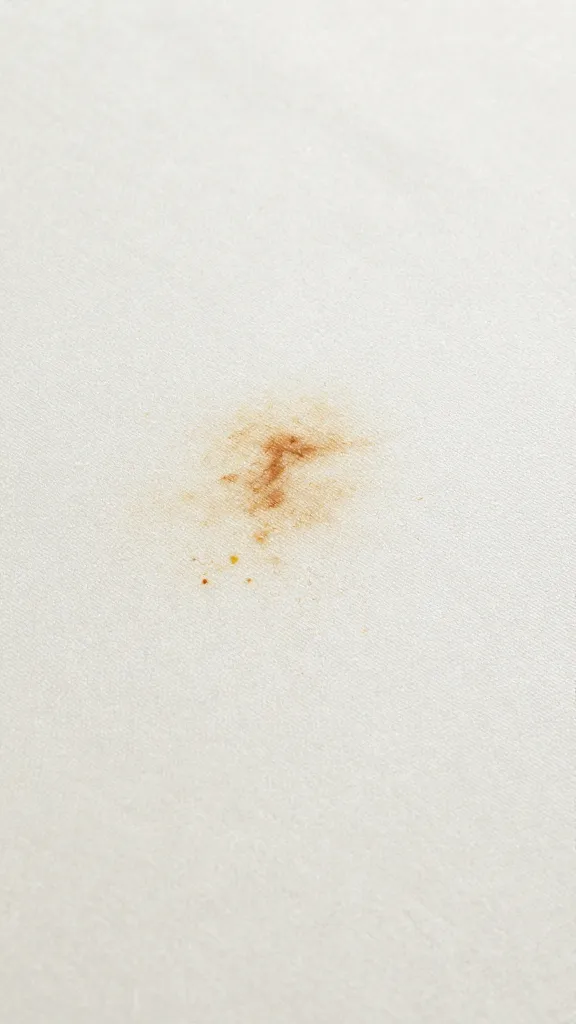
Stains are the stubborn cousins at family gatherings—annoying, but you can outsmart them. The best approach depends on the stain type.
– Blood or sweat: Mix 1 part hydrogen peroxide (3%) with 1 part water and a drop of dish soap. Lightly dab (don’t soak) and blot dry.
– Urine or old moisture: Blot up as much liquid as possible, then mist with a solution of 1 cup water, 1 tablespoon white vinegar, and 1/2 teaspoon dish soap. Blot and rinse with a clean cloth.
– Coffee or wine: Mix a small amount of hydrogen peroxide with a bit of dish soap, then dab gently. Rinse with a clean cloth.
Important: Always test on a small, hidden area first to avoid color fading. The goal is clean, not ticket to color-court.
3. Deep-clean with a handheld steamer
Steam is the MVP for killjoy dust mites and pesky odors. It’s fast and chemical-free, which is a win if you sleep with sensitive skin or a picky nose.
– Hold the steamer a few inches away from the surface and move in slow, overlapping strokes.
– Let the mattress dry completely before you put sheets back on.
– Use upward, not downward, motions to lift dust rather than push it deeper.
Pros: kills germs, refreshes the top layer, and dries quickly. Cons: don’t soak the mattress; moisture is your enemy if you want to avoid mold.
4. Flip, rotate, and sponge a fresh feel
Rotation is underrated. It prevents uneven wear and gives you a fresher feel across the surface.
– Rotate 180 degrees every 2–3 months.
– If you have a distinct sleeping area, flip if your mattress is double-sided.
– Between flips, wipe the edges with a damp cloth to remove dust buildup.
Pro-tip: fresh sheets are your friend. A clean bed setup makes the cleaning feel worth it.
5. Use a mattress protector with a personality
A good mattress protector is your long-term defense against stains, spills, and mystery odors.
– Look for a waterproof layer and breathable fabric.
– Choose a protector that fits snugly and won’t bunch up during the night.
– Wash it regularly to keep it fresh and prevent a laundry mountain.
Why bother? Protecting the mattress saves you from repeat cleanups and ruined Saturday plans.
6. Odor hacks that actually work (without masking with scents)
If your bed smells like last week’s gym shoes, try these practical fixes instead of masking with heavy sprays.
– Vinegar mist: Mix equal parts water and white vinegar. Lightly mist the surface, then blot dry. Vinegar evaporates, leaving less scent after drying.
– Essential oil quick-fix: Add a few drops of your favorite essential oil to a spray bottle with water. Lightly mist after cleaning. Use sparingly to avoid overpowering scents.
– Fresh air movement: Open a window and use a fan to speed up drying. Sunlight helps too, but avoid direct, constant sun on certain fabrics.
FYI: If you’re sensitive to scents, skip the oils and rely on thorough cleaning and ventilation.
7. When to call in the pros (and what you should ask)
Sometimes a mattress needs a professional touch. If you notice persistent stains, stubborn odors, or signs of mold, it’s time to bring in the big guns.
– Look for certified technicians who specialize in upholstery or mattress cleaning.
– Ask about sanitizing methods, drying times, and warranty considerations.
– Inquire about the equipment they use (steam, antimicrobial treatments, or other extraction methods).
Question to ask: How long until I can sleep on this again? Spoiler: they should give you a realistic timeline.
Deep dive: What’s lurking in your mattress? (H3 subsections)
Dust mites: tiny but mighty
Dust mites are tiny, but the nuisance they create is not. Regular cleaning and a protective cover can dramatically reduce their presence.
– Vacuum weekly with an upholstery attachment.
– Wash sheets and pillow covers weekly to cut down on dust intake.
– Use a protector to seal the deal for long-term relief.
Stains: old vs. new
New stains are easier to lift than old, set-in ones. The key is prompt action and gentle solutions.
– Blot, don’t rub, to avoid tearing the fabric.
– Use mild cleaners and test first on hidden areas.
– For tough stains, consider a specialized upholstery cleaner following product guidelines.
Moisture management
Moisture is the enemy of a healthy mattress. Keeping things dry prevents mold and odors.
– Use a moisture barrier as part of your cleaning routine.
– Ensure your room has good air flow and a reasonable humidity level.
– Dry the mattress thoroughly before making the bed.
FAQ
How often should I clean my mattress?
Most experts recommend a thorough cleaning every 3–6 months, with spot cleaning as needed. If you have allergies or pets, consider more frequent touch-ups and a protection plan.
Can I use a steam cleaner on all mattresses?
Steam can be effective on many types, but check your mattress label first. Some materials may not handle heat well. Always start with a test patch in a hidden area.
Is it safe to use vinegar or hydrogen peroxide on fabrics?
Yes, in small, diluted amounts and with quick blotting. Always test first and avoid saturating the fabric. Rinse or blot dry to prevent residue.
What if I don’t have a vacuum cleaner?
You can still do a solid refresh. Use baking soda for odor control, wipe with a damp cloth, and flip/rotate to even out wear. If possible, borrow or rent a vacuum to maximize results.
How long does it take for a mattress to dry after cleaning?
Most surfaces dry within 4–8 hours in a well-ventilated room. If you can, give it a whole day to be safe, especially if you used steam or liquid cleaners.
Conclusion
Cleaning your mattress isn’t glamorous, but it pays off in better sleep and fewer weird mornings. With these seven hacks, you can tackle odors, stains, and general grime without turning cleaning into a full-time job. So grab your baking soda, a spray bottle, and a dream of nights free from mystery stains. You’ve got this, and FYI your future self will thank you.
Leave a Reply