
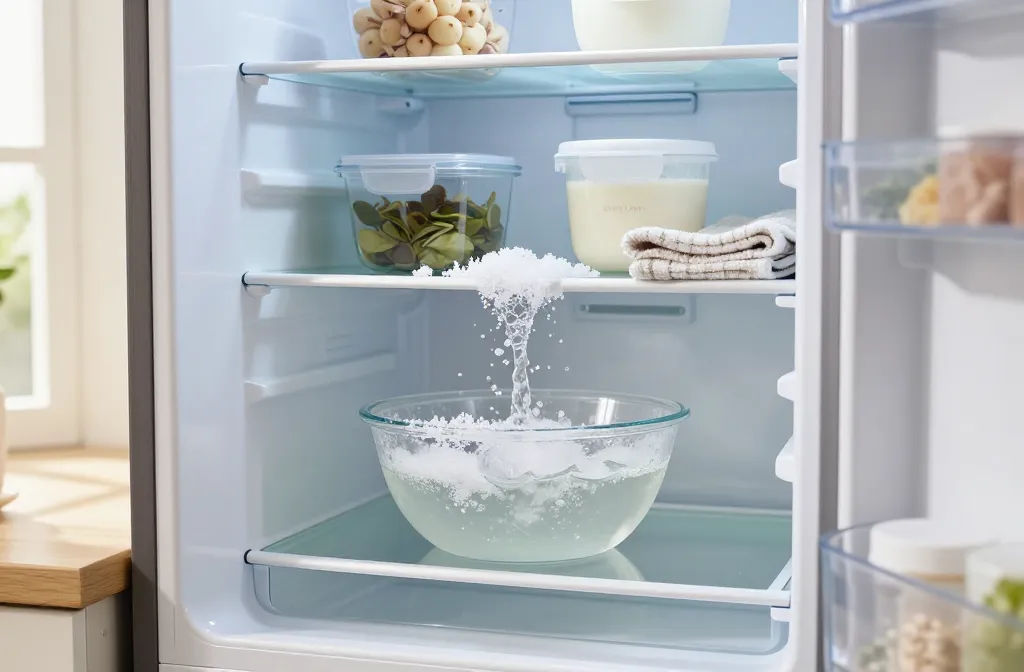
Iced over? Not anymore. Cleaning the freezer can feel like a scavenger hunt, but with the right plan it turns into a satisfying wake-up call for your appliances and your kitchen. Grab a towel, couple of hours, and your sense of humor—we’re about to level up your freezer game.
Why Cleaning the Freezer is Worth It
Ever open the door and feel like you stepped into a snow globe? A clean freezer saves energy, prevents frost buildup, and makes it easy to see what you actually have. No more mystery bags that turn to hockey pucks. FYI, a tidy freezer also means fewer spoiled leftovers and less grocery chaos when you shop.
Prep Like a Pro: Tools, Timing, and Mindset

Before you dive in, set the stage. You’ll thank yourself later.
- Grab a towel, a cooler or a few large bags, a plastic scraper, and a gentle soak of warm water with mild dish soap.
- Defrosting time: plan for a couple of hours if you’re not in a hurry. If you’re lucky, your freezer might cooperate with a quick turn-off and boot-off frost damage.
- Clear space first, remove everything, and do a quick inventory. It’s amazing how much you find you actually want to eat. Or not.
- Label and date items as you return them. Yes, even leftovers deserve TLC.
Defrosting 101: Gentle, Efficient, and Not Messy
Frost happens. The goal is to melt it without turning your kitchen into a winter storm.
- Turn off the freezer or unplug if safe to do so. Keep the door open and let warm air do the work. Don’t use sharp objects to scrape—you’ll damage shelves or coolant lines.
- Put ice bags or towels around the bottom to catch meltwater. Change them as needed so you’re not wading through puddles of frozen drama.
- If you’re in a hurry, you can speed up with a pot of hot (not boiling) water placed in the freezer compartment and closed doors. The steam helps soften the frost. Just don’t spill water everywhere.
Clean, Clean, Clean: Interior Love

Now that the frost is melting, give the inside some love.
- Wipe shelves and drawers individually with a mild solution (a splash of dish soap in warm water works). Rinse with a clean cloth and let dry completely before returning items.
- For stubborn smells, grab a small bowl of baking soda and place it inside for a few hours. No more mystery odors lingering behind the broccoli shadows.
- Don’t forget the door seals. Wipe them gently; a sticky gasket can waste energy and give you frostbite of the wallet.
Deep Clean Deep Dive
If you’ve got a stubborn stain or a lingering odor, try this quick method.
- Mix equal parts water and white vinegar. It’s a surprisingly good deodorizer and mild disinfectant.
- Wipe with the solution, then rinse with a damp cloth and dry. The vinegar scent fades, I promise.
- For stubborn mold or slime, a tiny amount of baking soda paste can do wonders. Let it sit, then scrub gently and rinse.
Organizing Wisdom: Space, Labels, and Easy Access
A clean freezer is a well-organized freezer. Here’s how to keep it that way.
- Use clear bins or baskets to categorize items (vegetables, meat, prepared meals). You’ll see everything at a glance.
- Freeze flat for small items like sauces or smoothie packs, then stack like books. It saves space and thaws faster when you actually need it.
- Label with date and contents. You’ll thank future you when you’re hunting for week-night meals.
Smart Freezing Hacks
A few tricks to prevent future frost and chaos.
- Cool hot leftovers before freezing. Hot food plus cold air equals freezer fog and a frosty personality from your ice maker.
- Use freezer-safe bags and remove excess air. Vacuum seal if you can—your future self will love this.
- Keep a running list on the door or inside a clipboard with items and dates. No more “somewhere in there” mystery missions.
Energy Savers: Keeping Your Freezer Efficient
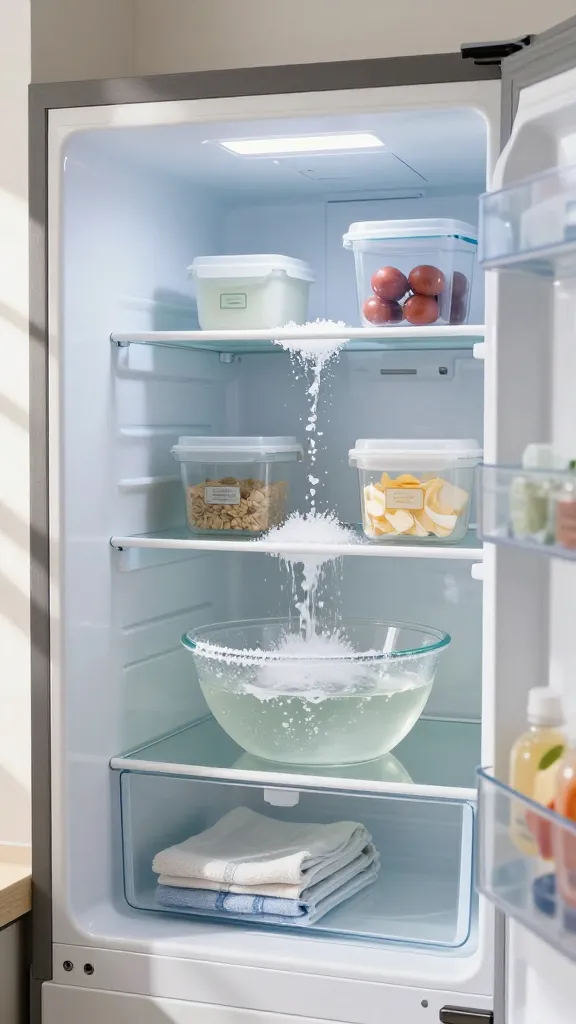
A sparkling freezer isn’t just prettier; it wastes less energy too. Simple habits add up.
- Keep the freezer 1/3 to 1/2 full. A full freezer uses less energy because the mass stays cold longer. If you’re light on items, fill with water bottles or jars of water (sealed, of course).
- Don’t keep the door open longer than needed. Do the inventory outside the door to minimize cold escapes.
- Check the temperature. Most freezers work best around -18°C (0°F). If your model has a consumer-friendly display, set accordingly and avoid the “it’s fine” mindset.
Common Pitfalls and How to Avoid Them
We all learn the hard way, but you don’t have to.
- Ignore the odors and you’ll regret it later. Baking soda, as mentioned, is your friend. Activated charcoal also works in a pinch.
- Forgetting to dry surfaces can invite condensation and ice. Dry thoroughly so no new frost party starts up.
- Overpacking leads to uneven cooling. Leave some space for air to circulate, or you’ll end up with a freezer that’s doing cardio in a bad way.
Why Ice Buildup Happens (and How to Stop It)
Ice loves a cold corner. Here’s how to keep it under control.
- Frequent door openings invite humidity. Try to minimize door fumbles, especially during grocery runs.
- Fluctuating temperatures cause frost cycles. Keep settings stable and avoid unplugging for spontaneous fix attempts.
- A clogged defrost drain can flood shelves. If you notice water pooling, check the drain tube and clear blockages gently with a pipe cleaner or warm water.
FAQ
How often should I clean my freezer?
Aim for a thorough clean every 3-6 months, depending on usage. If you notice frost buildup or spills, tackle it sooner. FYI, regular quick wipes cut down the epic cleanup sessions later.
Can I use bleach or heavy cleaners in the freezer?
Don’t. Bleach and harsh cleaners leave residues and fumes that can transfer to food. Stick to mild dish soap, or a vinegar solution for odor control. Your ice cream will thank you.
What’s the best way to thaw quickly without melting everything?
Defrost with the door open and a low-humidity approach. If you’re in a rush, place items in a cooler with ice packs or run a fan to speed evaporation. Just don’t blast hot air inside—the goal is thaw control, not a snowstorm.
How do I handle foods that stick together after freezing?
Before freezing, lay items flat on a sheet and freeze separately, then bag together. For already frozen sticks, thaw slightly and separate with a dull butter knife. Never yank—you’ll tear packaging and create chaos.
Is it okay to unplug my freezer for cleaning?
Yes, but plan for it. Unplug only when you have time for the defrosting process and you won’t lose too much food. If you have a separate fridge, you can stash perishables there temporarily.
Conclusion: A Fresh, Frost-Free Finish
Cleaning the freezer isn’t a one-off chore; it’s a tiny win for your kitchen routine. You get more space, fewer spoiled items, and a better idea of what you actually have for meals. Plus, it’s oddly satisfying to see everything neatly stacked like a culinary museum. So go ahead and crack a joke about your frosty arena, then reap the calm that comes with a well-maintained freezer. You’ve earned it.
Leave a Reply