
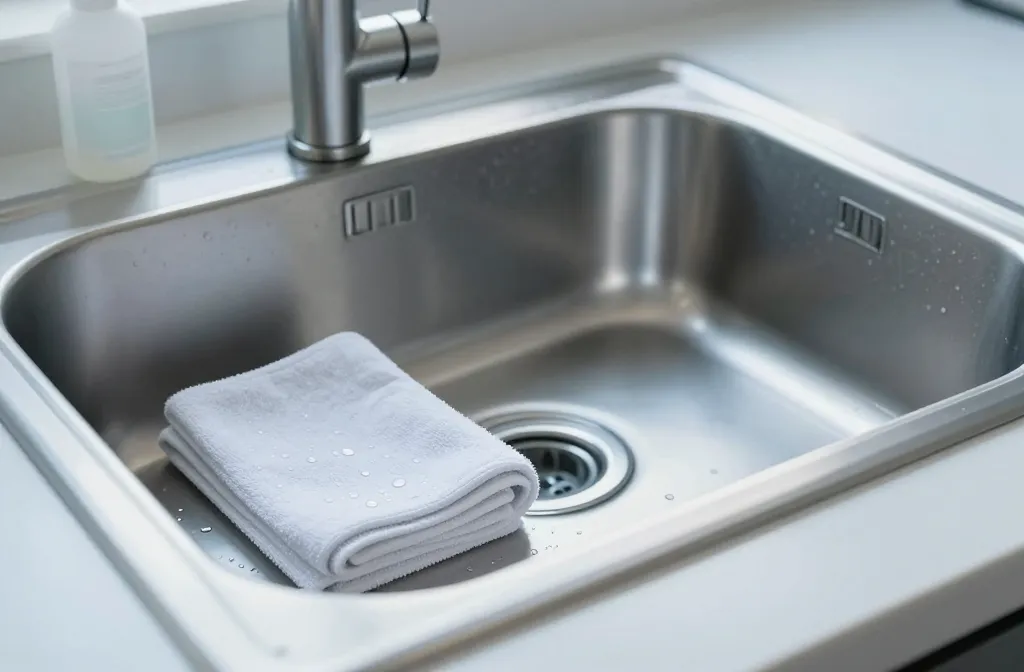
I love a stainless sink that shines like a mirror after a Sunday scrub. No drama, just clean lines and zero fingerprint chaos. Ready to crack the code on the best way to clean stainless steel sinks? Let’s dive in and keep the drama out of your drain.
What makes stainless steel so forgiving (and a little dramatic)
Stainless steel is tough, but it isn’t invincible. It hates harsh abrasive pads that scratch, and it definitely isn’t a fan of water spots that rival a disco ball. The upside? With the right routine, you can erase stains, fingerprints, and dulling without turning your sink into a science experiment.
Daily care routine: quick cleans that actually work
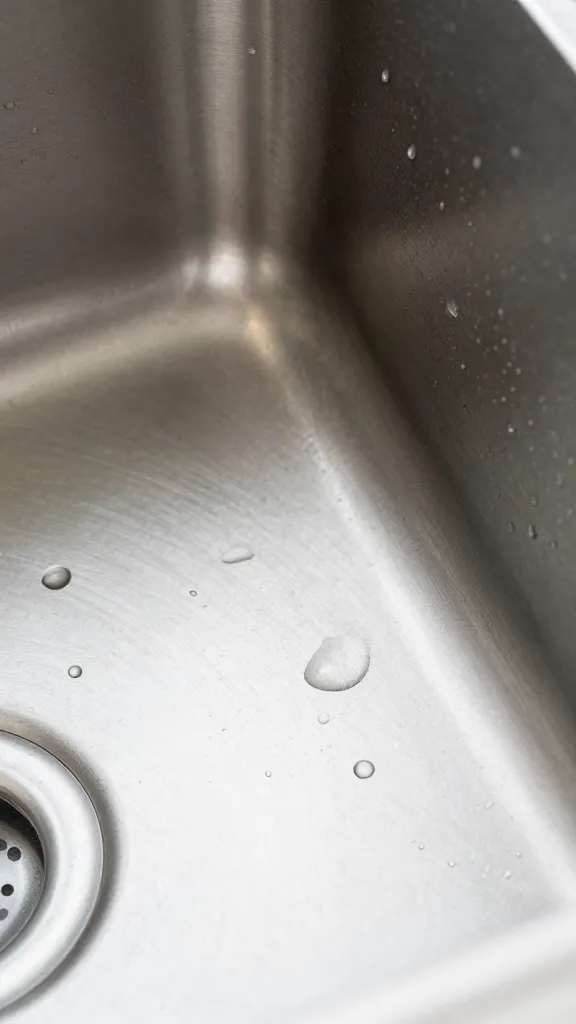
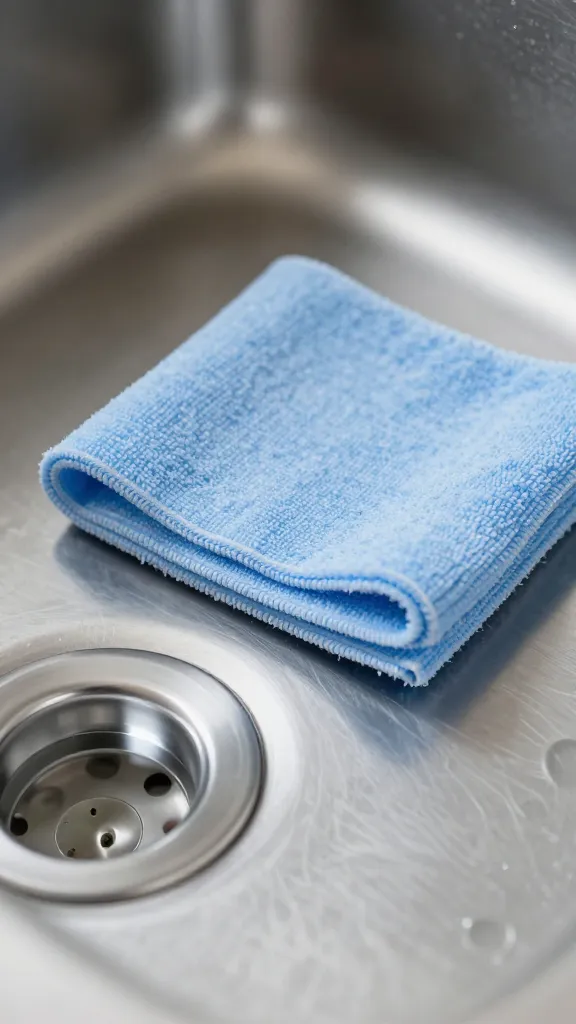
– Wipe down after use: a quick wipe with a microfiber cloth while the water is still warm prevents mineral buildup.
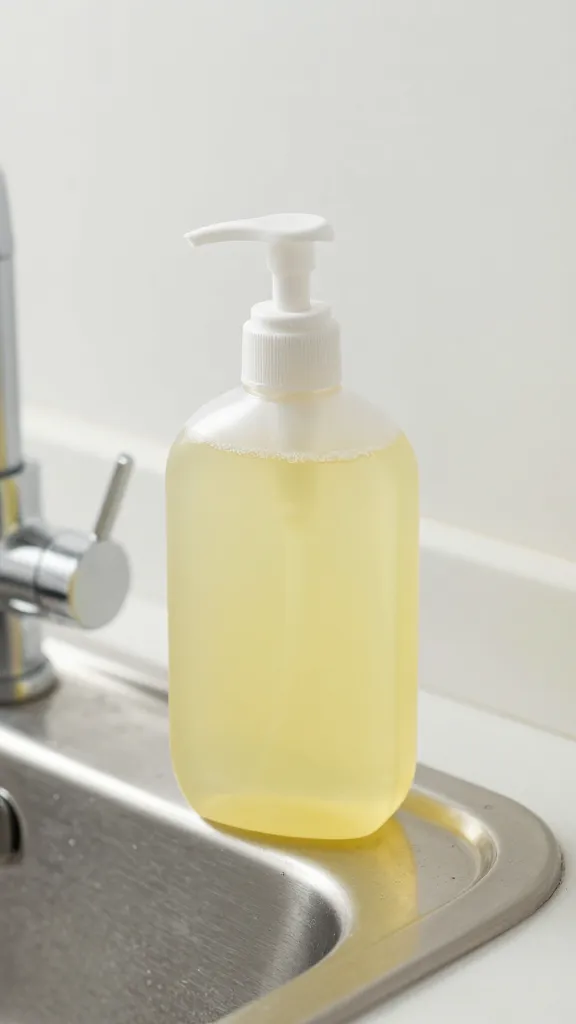
– Use a mild cleaner: plain dish soap or a gentle stainless-steel cleaner works wonders. FYI, you don’t need to go fancy to get results.
– Rinse and dry: a quick rinse followed by a dry with a soft cloth prevents water spots.
– Address streaks fast: if you see a streak, buff it out with a dry microfiber, not more cleaner.
Why drying matters
Leaving water to air dry creates mineral rings that are a pain to remove later. Drying is the unsung hero of a spotless sink. Do it like a boss and you’ll thank yourself later.
Deep-clean methods that actually work
If the sink is looking tired or you’ve got stubborn stains, these methods are your friends.
Method A: Baking soda magic
– Sprinkle baking soda over the surface.
– Add a few drops of water to form a paste.
– Scrub gently with a non-abrasive sponge in circular motions.
– Rinse, then buff dry with a microfiber cloth.
Baking soda is gentle, but it still tackles grime without scratching. Bonus: it deodorizes the bowl too.
Method B: Vinegar for mineral buildup
– Pour white vinegar into a spray bottle.
– Spritz the sink and let it sit for a few minutes (avoid mixing vinegar with bleach—bad idea).
– Scrub with a soft sponge, rinse, and dry.
– For hard-water spots, wipe with a small amount of vinegar, then rinse and dry.
Vinegar cuts through mineral deposits like a champ. FYI, if you’ve got brass fixtures or certain finishes, test a small area first.
Method C: Quick chrome-and-sparkle polish
– Apply a drop of olive oil or a stainless steel polish to a microfiber cloth.
– Rub with the grain in long strokes.
– Buff to a shine and wipe away any residue.
This isn’t just for looks—polishing helps reduce future fingerprints and keeps the surface smooth.
What to avoid at all costs (so your sink stays flawless)
– Steel wool or abrasive pads: yes, they scratch. No, your sink won’t forgive.
– Harsh bleach or ammonia on stainless steel: you’ll dull the finish and regret it later.
– Leaving acidic cleaners like lemon juice on the surface for ages: quick wipe, quick rinse.
– Using metal sponges: they look tough, but they scratch and leave marks.
Tools and supplies worth keeping handy
– Microfiber cloths: the bread and butter of a spotless sink.
– Non-abrasive sponge: gentle but effective.
– Mild dish soap: a staple that does the job without drama.
– Baking soda and white vinegar: your cleaning duo for deep cleans.
– Stainless steel polish (optional): for a showroom shine, if you’re into it.
Storage and setup tips
Keep cleaners under the sink in clearly labeled bottles. A small tray for rags and brushes prevents clutter and keeps you from playing “Where did I leave that sponge?” every time you clean.
Special cases: sinks with accessories and weird stains
– Copper or brass fixtures: wipe them separately to avoid discoloration on stainless steel.
– Sink drains with rings: a quick sprinkle of baking soda and a squirt of vinegar can fizz away the buildup.
– Colored stains from copper pipes or heavy mineral water: a touch of vinegar followed by a gentle scrub usually does the trick.
Pro tips from the pros (and your mom’s best friend’s cousin)
– Clean in the direction of the grain: it reduces micro-scratches and helps you achieve that uniform shine.
– Work in small sections: you’ll feel like a cleaning ninja and catch spots you’d otherwise miss.
– Don’t skip the rinse: leftover cleaner can dull the finish over time.
– Schedule a monthly deep clean: even if you wipe daily, a monthly reset keeps things looking new.
FAQ
Is dish soap enough for daily cleaning?
Yes. Dish soap with warm water is usually enough for daily maintenance. It cuts grease, won’t corrode the finish, and keeps things simple. If you notice spots, add a quick wipe with a microfiber and dry.
Can I use lemon juice for cleaning?
Lemon juice is acidic and can help with light stains, but it can dull the finish over time if you overdo it. Use sparingly or as part of a baking soda paste, then rinse and dry thoroughly.
What about hard water spots?
White vinegar is your best friend here. Spray, let it sit, then scrub lightly and rinse. If spots persist, repeat once or twice. Drying after cleaning helps prevent new spots from forming.
My sink is scratched. What now?
Light scratches are common but usually fixable with a non-abrasive polish or by buffing with a microfiber cloth. Deep scratches might require professional refinishing, especially if the sink had a prior rough cleaning habit.
Can I use a dishwasher tablet for a quick clean?
Skip it. Dishwasher tablets aren’t designed for stainless steel sinks and can leave residues or create new problems. Stick to the tried-and-true methods above.
Is olive oil okay for polishing?
A tiny dab on a cloth can help reduce fingerprints and give a soft shine. Use sparingly; too much oil can become a mess, especially around food prep areas.
Conclusion
A gleaming stainless steel sink isn’t an accident; it’s a habit. Quick daily wipe-downs, a monthly deeper clean, and smart choices about what you use will keep your sink looking sleek for ages. So next time you splash around, remember: wipe, rinse, dry, repeat. Your future self will thank you for the sparkle. If you’re into it, I’m rooting for the pristine shine—IMO, it’s vibes, and vibes matter.
Leave a Reply