
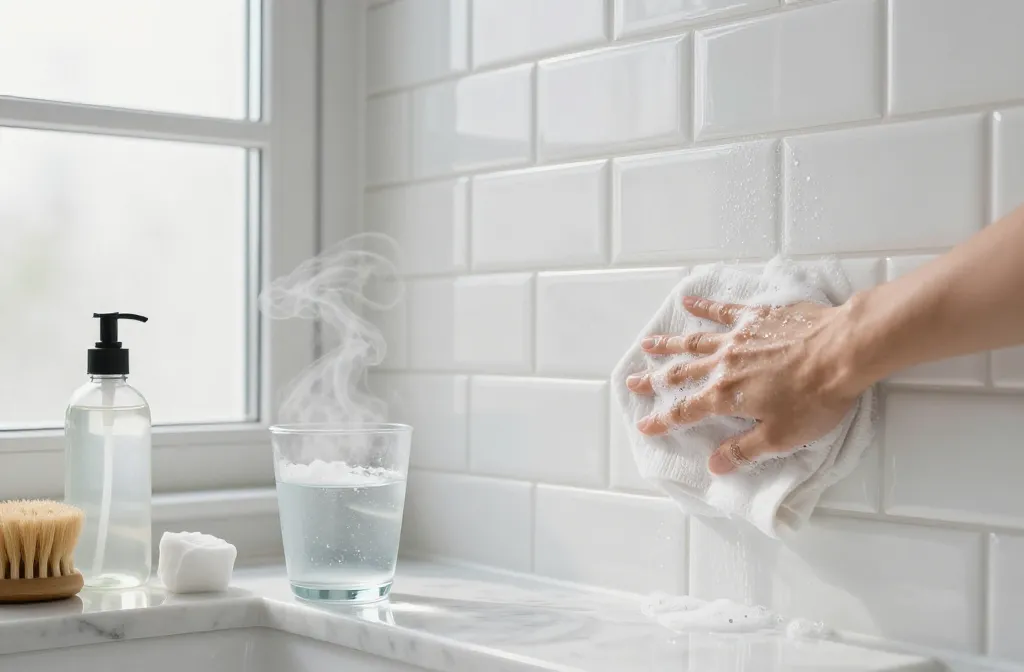
I know the feeling: you glare at a stubborn tile grout line and swear you’ll conquer it this weekend. You’ll grab a spray bottle, a scrub brush, maybe a magic cleaning wand, and somehow your shower will shine like it just got installed yesterday. Spoiler: it can be easier than you think. These 6 tile shower cleaning hacks will get you a sparkle without turning your weekend into a cleaning marathon.
Hack #1: Strip grime with a vinegar-and-baking-soda combo
All right, let’s start simple. Vinegar plus baking soda creates a fizzy little reaction that helps loosen soap scum and mineral deposits. FYI, it’s not magic, it’s chemistry—like a tiny volcano under your tile.
– Mix equal parts white vinegar and water in a spray bottle.
– Sprinkle baking soda on the grout lines.
– Spray the vinegar solution over the baking soda until it foams.
– Let it sit for 10-15 minutes, then scrub with a stiff grout brush.
Why this works: the acid in vinegar cuts through mineral buildup, while baking soda acts as a gentle abrasive. It’s beginner-friendly and won’t corrode tile surfaces. If you’ve got hard water stains, this is your first line of defense.
Hack #2: Heat up for a deeper clean
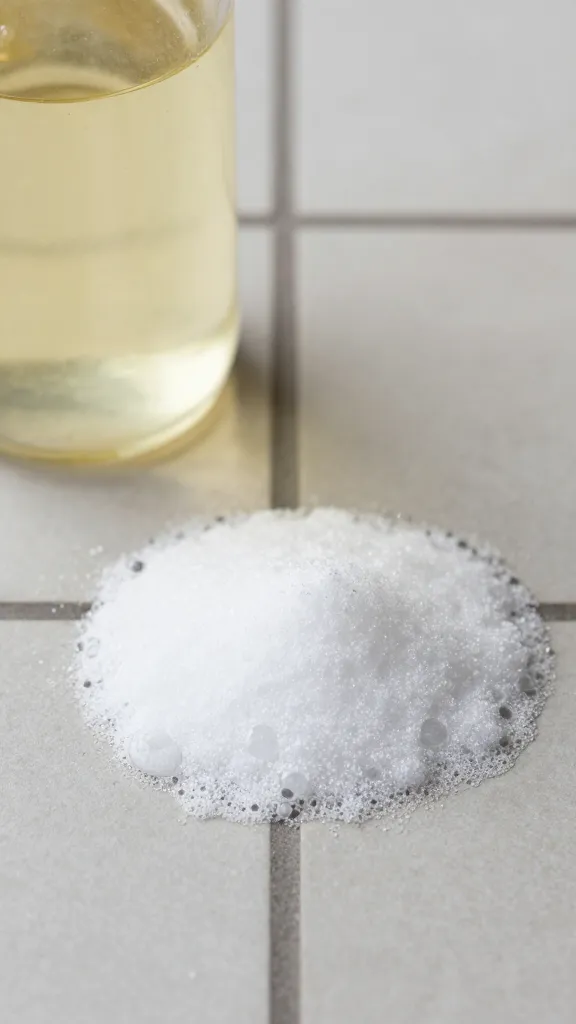
Hot solutions cut through soap scum like butter. No, you don’t need to rent a steam cleaner (though that works). A simple hot-soap soak can do wonders.
– Fill a bucket with hot water and a squirt of your favorite dish soap.
– Soak a microfiber cloth or sponge in the solution and apply to tiles and grout.
– Let it sit for 5-10 minutes, then scrub with a grout brush.
– Rinse well with warm water.
If you’re dealing with stubborn grime, re-warm the cloth and repeat. Pro move: finish with a quick spray of distilled water to prevent mineral residue from drying on the surface.
Hack #3: The hydrogen-peroxide upgrade
Hydrogen peroxide is like a secret agent for bathrooms: it disinfects, bleaches minor stains, and leaves grout looking brighter. It’s gentle enough for most tiles but strong enough to tackle mold and mildew in damp corners.
– Use 3% hydrogen peroxide in a spray bottle.
– Mist the grout lines and any mold-prone areas.
– Let it fizz for a few minutes, then scrub with a small brush.
– Rinse thoroughly with water.
Tip: For extra whitening, mix hydrogen peroxide with a dash of baking soda to form a paste, apply to grout, then scrub and rinse. It’s like giving grout a spa day.
Hack #4: Light scrubbing with dental-care vibes
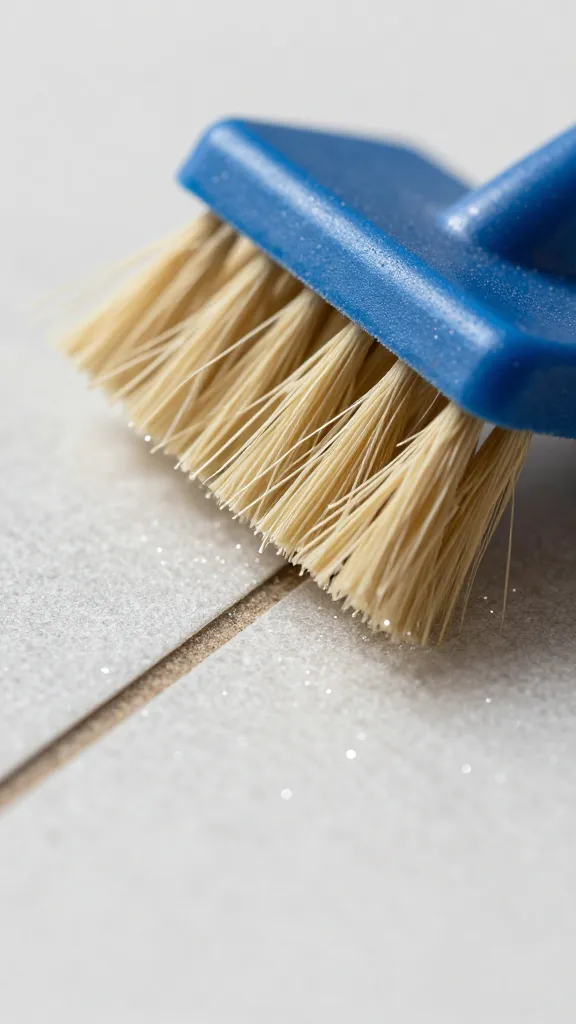
Okay, hear me out: the old toothbrush isn’t just for teeth. A soft-bristled brush or an old scrub brush can reach into grout lines, corners, and around tile edges where big tools won’t fit.
– Dip the brush into a cleaning solution (vinegar mix, hydrogen peroxide, or a mild soap solution).
– Scrub grout lines with small, circular motions.
– Wipe away the gunk with a microfiber cloth and rinse.
You’ll be surprised how much a focused little brush can do. Plus, it won’t wear you out as fast as a full-on scrub brush assault.
Hack #5: Seal the deal with grout sealer
If you want shine that lasts and fewer headaches later, seal the grout after you’ve cleaned it thoroughly. Sealing helps keep water, soap, and mold at bay.
– Make sure grout is completely dry before sealing.
– Choose a penetrating grout sealer designed for bathrooms.
– Apply with a small brush or applicator, following the product’s instructions.
– Wipe away any excess and let it cure as directed.
Pro tip: re-seal every 1-2 years, or as recommended by the product. FYI, sealing isn’t a one-and-done miracle—think of it as armor for your grout.
Hack #6: Daily habits that keep your tile sparkling
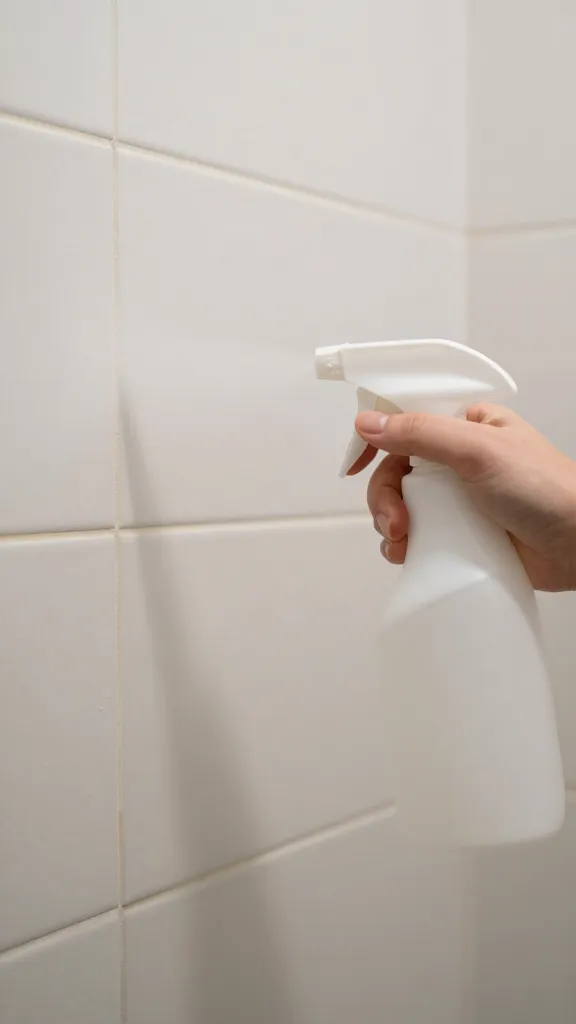
Prevention is the real MVP. A few quick habits can save you hours later.
– Squeegee the shower walls after each use to cut down on soap scum and standing water.
– Ventilate the bathroom to reduce humidity and mildew growth.
– Wipe down the tiles weekly with a mild solution or a spritz of water and a splash of white vinegar.
– Clean your shower head and door tracks monthly to prevent mineral buildup.
Do you actually do all of that? Probably not, but even a few minutes each week compounds into major savings on scrubbing time.
Deep dive: removing mildew without drama
Mildew loves damp corners and grout lines. If you spot faint black or gray patches, tackle it fast.
– Mix equal parts water and hydrogen peroxide in a spray bottle.
– Spray thoroughly on affected areas and let sit for 10 minutes.
– Scrub with a toothbrush or grout brush, then rinse well.
– For tough spots, repeat once more.
If mildew keeps coming back, you might have poor ventilation. Consider running a fan or using a moisture absorber to keep the bathroom drier between showers.
Frequently asked questions
Is vinegar safe on all tile types?
Most ceramic and porcelain tiles handle vinegar just fine, and it’s a cheap option. If you’ve got natural stone like marble or travertine, avoid acidic solutions like vinegar; they can etch stone. For those surfaces, use a pH-neutral cleaner instead.
How often should I seal grout?
Typically every 1-2 years, but it depends on your shower usage and sealant brand. If water beads up on grout, you’re still in good shape. If it soaks in quickly, reseal sooner.
What if hydrogen peroxide bleaches my grout?
Hydrogen peroxide can lighten some grout colors, especially if they’re already pale. Test a small area first. If you’re worried, use a paste of baking soda and water as a gentler option, then scrub and rinse.
Can I use bleach in the shower?
Bleach is effective but can be harsh on grout and certain surfaces. If you decide to use it, dilute properly and ventilate well. Never mix bleach with ammonia or vinegar. Rinse thoroughly afterward.
Do I need to scrub every tile, or just the grout?
Gunk tends to accumulate in grout lines, but soap scum can also cling to tile surfaces. A quick wipe or spray on the tiles helps keep everything sparkling. Target grout first, but don’t neglect the tile faces.
Conclusion
Six simple hacks, one sparkling shower. You don’t need a chemist or a cleaners’ toolbox to win this battle. Start with the vinegar-baking soda combo, heat up with a hot soapy soak, and bring in hydrogen peroxide for the heavy lifting. Mix in a bit of focused scrubbing with a toothbrush and seal the grout when you’re done to keep things fresh longer. And if you slip into a cleaning lull, remember: a quick squeegee session and a weekly wipe can save you a mountain of scrubbing later. IMO, a clean shower makes every morning feel like a small victory. So go ahead—give your tile a little love and be prepared for the compliments.
Leave a Reply