
Introduction
Tub cleaning doesn’t have to be a cardio workout. It can be quick, clever, and actually doable on a busy schedule. Grab your gloves, a playlist, and a stubborn streak—we’re about to tackle those dingy tub woes with eight surprisingly easy hacks. FYI, you’ll thank me when you’re sipping coffee in a sparkling bathroom.
1) The Two-Ingredient Power Move: Baking Soda and White Vinegar
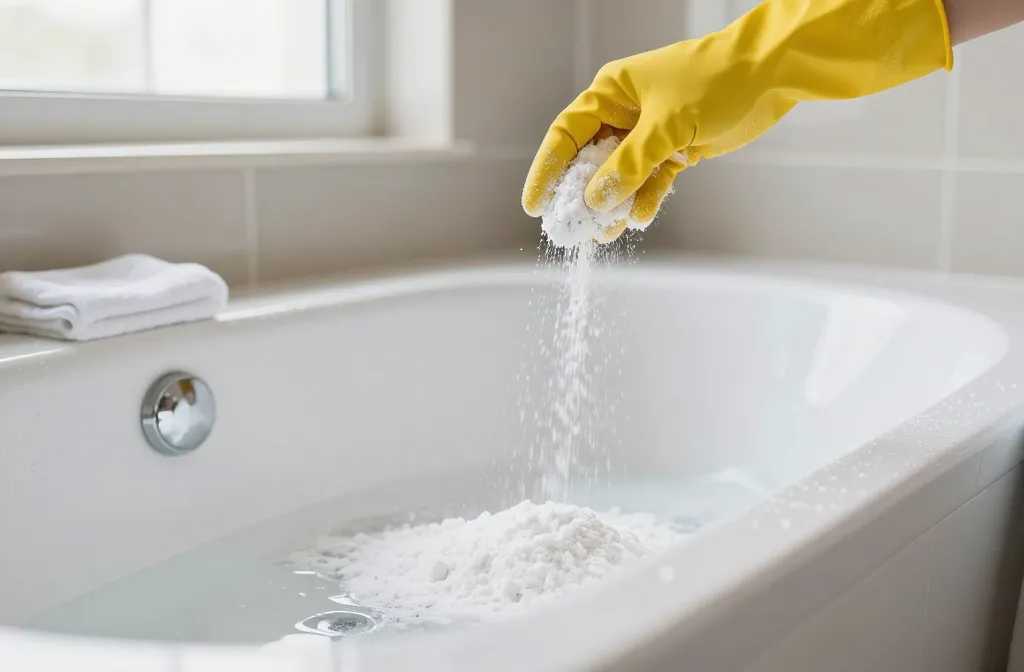
If you’re short on fancy cleaners, this classic duo does wonders. Sprinkle baking soda along the tub, then drizzle white vinegar for fizz and scrubbing power. The gentle foaming action lifts soap scum and grime without harsh chemicals.
– Let it sit for 10–15 minutes to loosen the buildup.
– Scrub with a soft sponge or microfiber cloth.
– Rinse thoroughly with warm water.
Pro tip: For extra sparkle, finish with a quick vinegar rinse to remove any remaining suds. IMO, this combo is a gateway drug to cleaner baths.
2) The Grout and Fixture Freshen-Up: Hydrogen Peroxide and Dish Soap
Stubborn soap scum around grout lines and fixtures can be a pain. Here’s a simple mix that won’t bend your budget or your conscience.
– Mix 1/2 cup hydrogen peroxide with a squirt of dish soap in a spray bottle.
– Spray the problem areas, especially discolored grout and around the taps.
– Let sit for 5–10 minutes, then scrub with a brush and rinse.
This one’s great for whitening and brightening without traces of a chemical fire alarm. FYI, test a small area first if you have colored grout.
3) The Steam-Scrub Method: Let Your Shower Curtain Do the Heavy Lifting
Steam is your friend when you’re short on scrubbing time. Steam softens soap scum and mineral deposits, so a quick wipe afterward feels like a miracle.
– Run a hot shower with the door closed for 5–8 minutes.
– Close the door, turn on the fan, and wipe down the tub and curtain.
– Rinse any loosened residue with warm water.
If you have a fiberglass tub, this method minimizes abrasion while giving you a fresh start. It’s like a spa day, but for your bathroom and your patience.
4) The Tangible Tap Trick: Targeted Cleaner on Fixtures
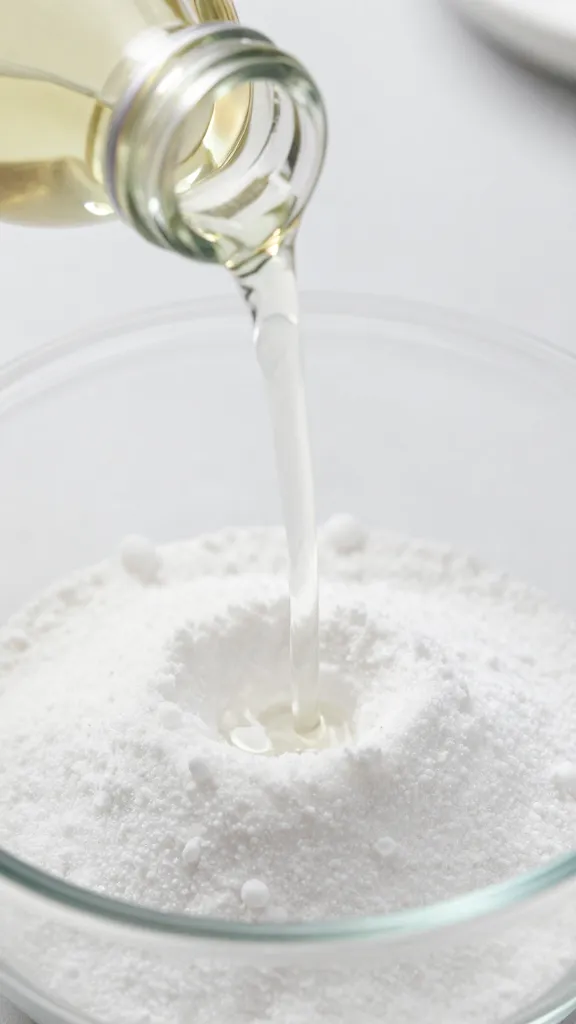
Fixtures collect grime that ruins the overall look. Instead of blasting everything, focus on the taps, knobs, and drain area with a targeted cleaner.
– Use a spray cleaner or a homemade mix (baking soda + water paste works too).
– Apply, let sit for 3–5 minutes, then scrub with a soft brush.
– Wipe clean and buff with a microfiber cloth.
Small, focused efforts add up. You’ll notice the difference around the faucet handles and drain in no time. Do you really want to skip this step when it’s this quick?
5) The Overnight Soak: Dwell Time That Really Delivers
Sometimes the difference between “meh” and “wow” is letting cleaner work while you sleep. An overnight soak can conquer tough mineral buildup and soap scum.
– Prepare a paste with baking soda and water or use a gentle toilet bowl cleaner if it’s safe for tubs.
– Apply to stained areas and cover with plastic wrap to keep it in place.
– In the morning, rinse and give a quick scrub.
This hack isn’t glamorous, but it’s incredibly effective. It’s like sending your tub to a spa retreat while you catch some z’s. Sleep on it, literally.
6) The Brush Game: The Right Tools for the Right Job
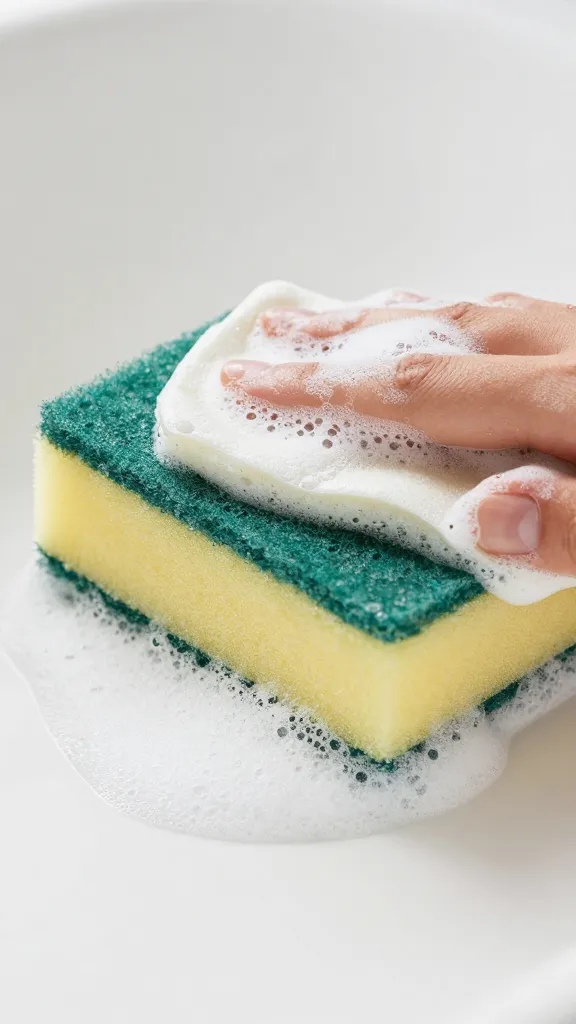
Tools seriously matter. The wrong scrubber can scratch or miss spots. Arm yourself with these battle-tested options:
– Soft sponge for general cleaning.
– Non-abrasive scrub pad for tougher grime.
– Old toothbrush for grout lines and around fixtures.
– Microfiber cloths for buffing and drying.
Switching tools mid-clean is not cheating; it’s maximizing efficiency. Which tool do you reach for first—soft sponge or trusty brush? IMO, the toothbrush is criminally underrated.
7) The Shine-Boost Rinse: Final Rinse with Warm Water and a Quick Wipe
A good rinse caps off your effort and prevents streaks. Warm water helps dissolve residues, and a final wipe leaves a professional-looking finish.
– Rinse the entire tub thoroughly with warm water.
– Dry with a clean microfiber cloth to prevent water spots.
– Optional: Finish with a light spray of water-repellent product designed for baths if you want extra shine.
This isn’t vanity—it’s maintenance. A quick wipe after every use keeps the tub looking showroom-new for longer. FYI, consistent routine beats occasional deep cleans every time.
8) Organic, Kid-Safe/Pet-Safe Variations for Sensitives
If you’re cleaning in a home with little ones or furry friends, safety matters. Here are gentler options that still do the job.
– Baking soda and water paste for scrubbing.
– White vinegar diluted with water for misting and mild deodorizing.
– Essential-oil-free blends or lemon juice for fragrance (avoid direct contact on metal surfaces without rinsing).
Always test a small area first and ventilate the room. You don’t want to replace soap scum with aromatic drama. No drama, just clean.
Subsection: Stain-Specific Tips
– mineral deposits: use a stronger paste of baking soda and water, let sit longer, then scrub.
– mildew around caulk: a hydrogen peroxide soak can help, followed by a quick scrub.
– soap residue in the drain: pour baking soda, then white vinegar, wait, and rinse with hot water.
These targeted moves can save you from a full scrub-down every week. It’s about playing to your tub’s weaknesses and winning.
Subsection: Maintenance Habits That Pay Off
– Wipe down after showers to stop buildup before it starts.
– Do a 5-minute weekly wipe with your go-to cleaner.
– Keep a small spray bottle handy for quick touch-ups.
No one wants to be a slave to cleaning, right? Tiny routines beat epic scrubs later, hands down. IMO, consistency is your best cleaning hack.
FAQ
How often should I deep clean my tub?
Deep cleaning once a week is overkill for some, but a good standard for many. If you shower daily and notice buildup, aim for a 20–30 minute deep clean every 1–2 weeks. Otherwise, your routine can be lighter with occasional targeted scrubs.
Are these hacks safe for all tub materials?
Mostly yes, with a couple caveats. Baking soda and vinegar are gentle but avoid harsh scrubs on acrylics. For fiberglass or enamel, test any cleaner in an inconspicuous spot first. If in doubt, opt for milder formulas labeled safe for your material.
Can I mix cleaners together?
Stick to one cleaner at a time. Mixing cleaners can create dangerous fumes or reactions. If you’re curious, try layering—apply one cleaner, rinse well, then apply the next. No fog machines happen here.
What about tough mold or mildew?
For mildew, hydrogen peroxide or a diluted bleach solution can be effective. Use ventilation, gloves, and rinse thoroughly. If it keeps returning, there might be underlying moisture issues or caulk that needs replacing.
Is it okay to use essential oils?
A few drops on a cloth can add scent, but be careful with oils on certain surfaces—they can cause discoloration. If you choose to use them, keep it light and ensure you rinse well.
Conclusion
Cleaning the tub doesn’t have to be a superhero mission. With a few strategic hacks, a couple of simple tools, and a dash of consistency, you can keep your bath sparkling without turning cleaning into a saga. So, which hack will you try first? IMO, start with the baking soda and vinegar combo—it’s the gateway to a kitchen-sink level of clean you can actually maintain. Ready to turn your tub into the pristine oasis it deserves? Let’s get scrubbing, friend.
Leave a Reply