
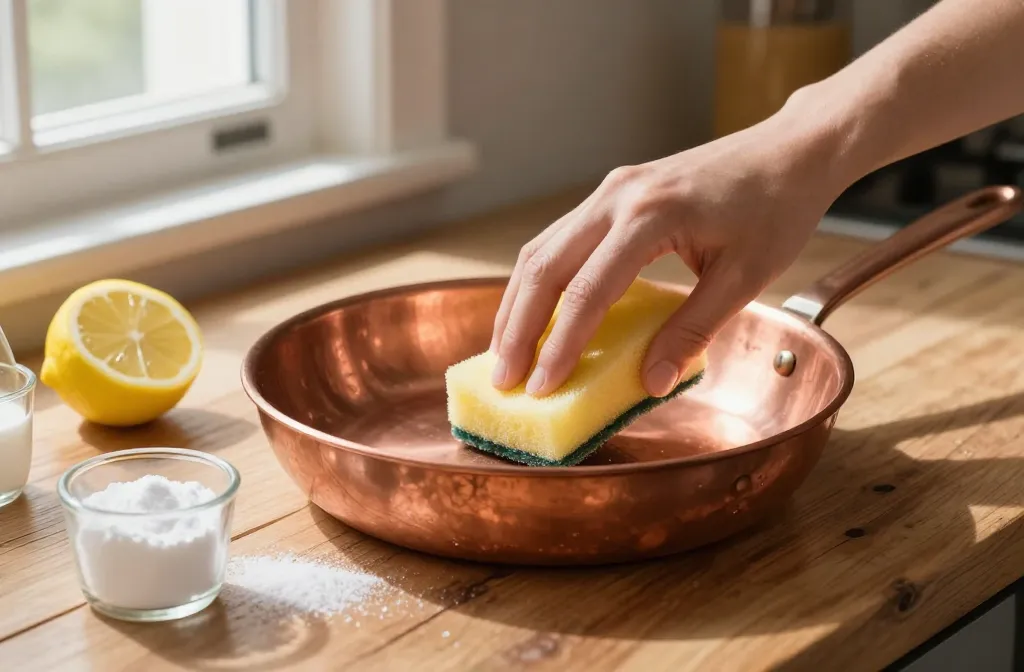
I’ll cut to the chase: pans get dirty, and you don’t need a chemistry degree to clean them. These seven hacks actually work, no fainting spell required. Grab your scrubber and your coffee, and let’s get shiny.
Hack 1: Bake-Away with Baking Soda and Vinegar
If you’ve ever seen a science experiment and thought, “That could help my skillet,” you’re not wrong. This combo is the cleaning power duo you never knew you needed.
– What you do:
- Sprinkle baking soda on the stained areas.
- Add a splash of water to make a paste, or pour a bit of white vinegar on top; fizz is your friend here.
- Let it sit for 10–15 minutes, then scrub with a sponge or brush.
– Why it works:
The baking soda acts like a gentle abrasive, while the vinegar dissolves mineral buildup and grease. FYI, it’s not a magic potion, but it’s pretty close.
– Quick pro tip:
For stubborn rings or burnt-on bits, heat a bit of water with a tablespoon of baking soda in the pan, then let it rest before scrubbing. It loosens the gunk like magic.
Hack 2: Salt and Lemons for a Fresh Bite
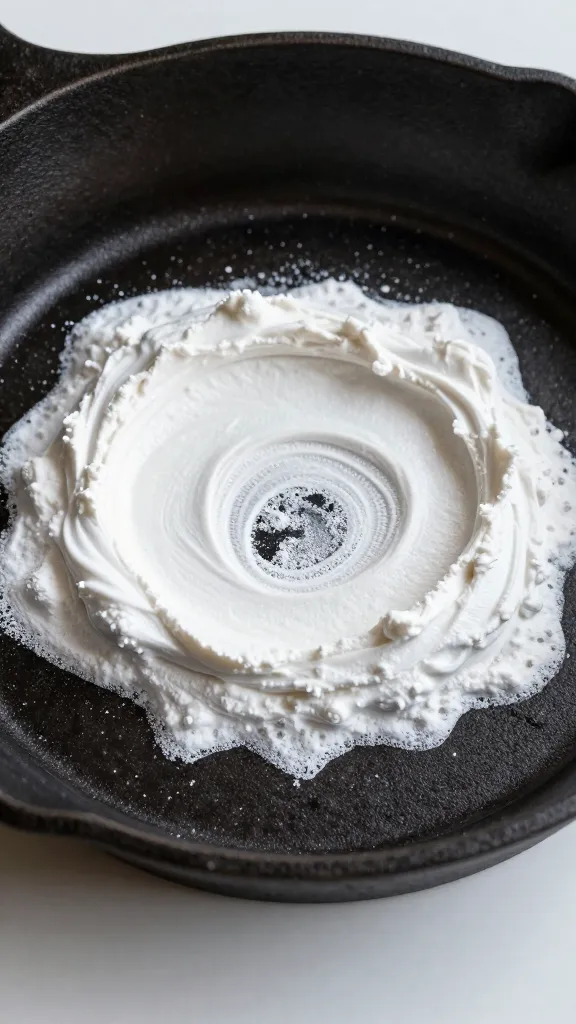
Yes, you can clean and citrus-freshen in one go. Salt is the scrubbing power; lemon adds the zing.
– What you do:
- Sprinkle coarse salt into the pan.
- Cut a lemon in half and scrub the pan with the lemon, squeezing as you go.
- Rinse and dry thoroughly.
– Why it works:
The salt provides abrasion without scratching nonstick surfaces, and lemon juice cuts grease while leaving a pleasant scent.
– When to use:
Great for copper, enameled, or stainless—just avoid aggressive scrubbing on nonstick if you’re worried about wear.
Hack 3: Boil It Off with Soap and Water
Sometimes heat is the cure. Boiling can loosen stubborn residue so you can wipe it away without breaking a sweat.
– What you do:
- Fill the pan with warm water and a squirt of dish soap.
- Bring to a simmer for 5–10 minutes (watch closely).
- Let cool a moment, then wipe away residue with a soft sponge.
– Why it works:
Heat loosens stuck-on grease, and soapy water helps lift it off the surface. It’s fast, practical, and doesn’t require fancy tools.
– Pro move:
If you’re dealing with a stubborn baked-on layer, repeat once or twice. Patience is a clean pan’s best friend.
Hack 4: The Ultimate Scrub: Steel Wool (Careful!)
We’re not telling you to scrub your pan with reckless abandon. We’re saying steel wool can rescue a cast iron pan or stubborn metal surfaces when used correctly.
– What you do:
- Use fine-grade steel wool for delicate surfaces; avoid scratchy pads on nonstick interiors.
- Gently scrub away burnt bits with a light touch.
- Rinse well and dry to prevent rust on cast iron.
– Why it works:
The tiny fibers cut through grime that brushes miss. It’s a brute-force option that buys you time.
– Important note:
Don’t use steel wool on shiny copper, aluminum, or polished stainless if you want to keep the finish. If you’re unsure, test in a small area first.
Hack 5: Garlic-Strength for Persistent Grease (Just Kidding, Not Garlic) — Vinegar Steam Method
Okay, no garlic in the pan, but steam + vinegar does a surprising job on stubborn buildup.
– What you do:
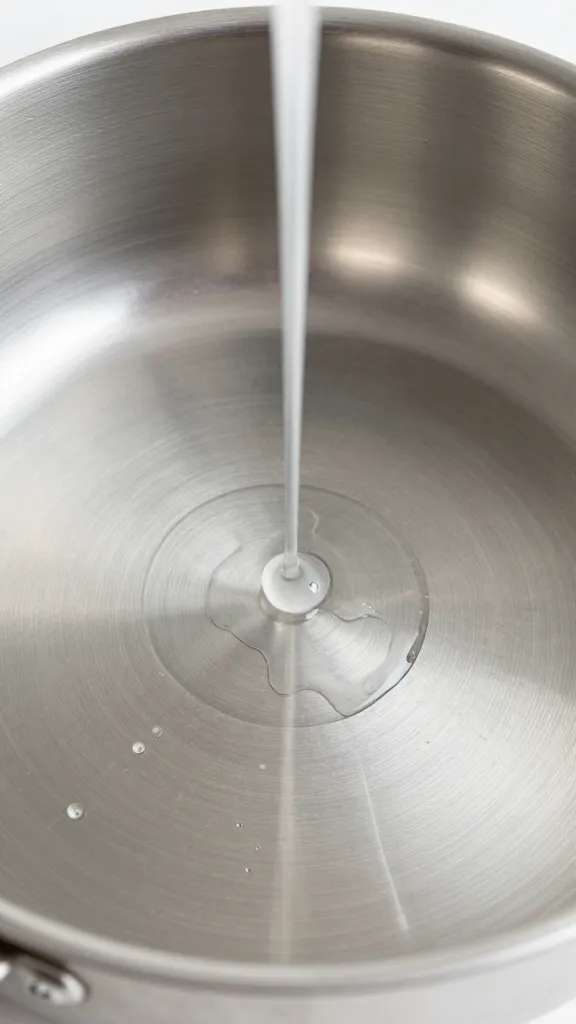
- Pour a mixture of equal parts vinegar and water into the pan.
- Heat until it steams, then remove from heat and let cool a bit.
- Wipe away residue with a sponge; finish with a soak if needed.
– Why it works:
Steam loosens the toughest gunk, and vinegar keeps it from bonding again. It’s like giving your pan a spa day.
– Quick note:
This works especially well on stainless and enamel. For nonstick, avoid aggressive scrubbing afterward.
Hack 6: Trash the Stubborn with Baking Soda Paste
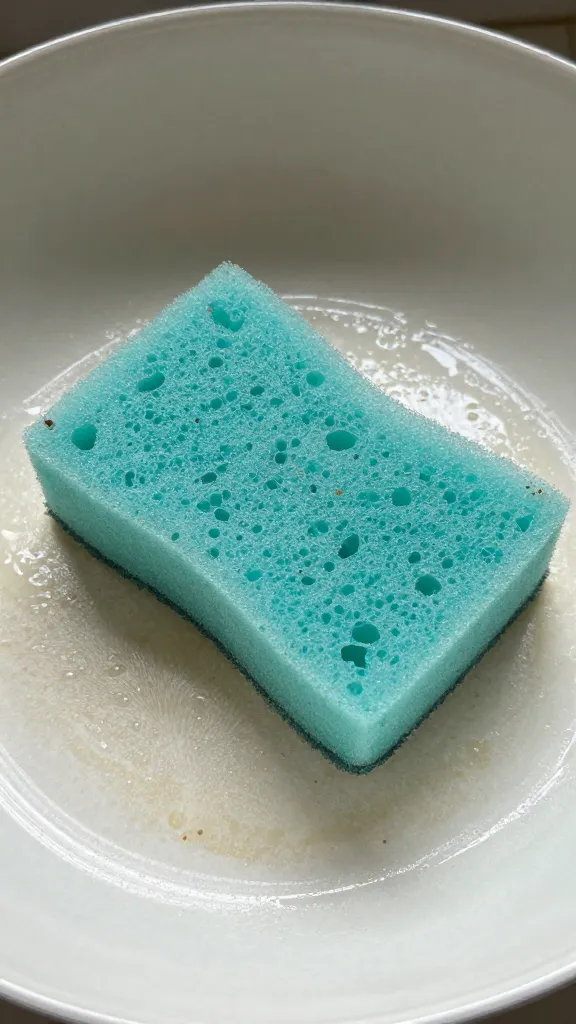
Back to baking soda, but this time in a paste form for those pesky spots.
– What you do:
- Make a thick paste with baking soda and a little water.
- Spread over stained areas and let sit 15–20 minutes.
- Scrub with a soft sponge or brush, then rinse well.
– Why it works:
The paste sticks to grime and the gentle abrasion helps lift it without scratching.
– Bonus:
For extra power, add a drop of dish soap to the paste. It helps break down grease while you scrub.
Hack 7: The Gentle Giant: Dish Soap and Warm Water Soak
Sometimes you just need to go a little softer, especially on delicate coatings.
– What you do:
- Fill with warm water and a few squirts of dish soap.
- Let soak for 20–30 minutes, then scrub lightly with a sponge.
– Why it works:
Soaking gives the soap time to break apart grease and any crusty buildup so you don’t have to scrub as hard. IMO, it’s underrated.
– When to use:
Perfect for everyday pans that aren’t crusty with burnt-on bits. It’s a great maintenance move.
Deeper Dive: Nonstick Surfaces — Do’s and Don’ts
– Do use soft sponges and gentle cleaners.
– Don’t scrub with abrasive pads or metal tools.
– Do maintain with light cleaning after each use to prevent buildup.
– Do consider a quick oil wipe after drying to keep seasoning in good shape.
Deeper Dive: Cast Iron Care — After-Clean Ritual
– Do dry immediately after washing.
– Do rub a thin layer of oil to seal the surface.
– Don’t soak for long periods; it can lead to rust.
– Do heat briefly to ensure a complete dry-out.
FAQ
Can I use bleach to clean my pan?
Bleach can damage coatings and metal over time. I’d skip it for cookware and stick to the gentler methods above. If you’re dealing with stubborn stains, a vinegar-based approach is safer and usually just as effective.
Is it safe to use steel wool on nonstick pans?
Nope. Steel wool can scratch the nonstick coating. Stick to soft sponges or nylon scrubbers. If you must, reserve steel wool for metal surfaces like stainless steel or cast iron, and use the gentlest option first.
How do I remove burnt-on oil without scratching?
Try the baking soda paste method or the boiling with dish soap trick. Heat helps loosen, then a gentle scrub with a soft sponge usually does the trick.
My pan has rust. What now?
Rust on cast iron isn’t the end of the world. Scrub with a stiff brush, apply a thin coat of oil, and heat to dry. If rust persists, you might need to reseason the pan.
Do these hacks work on all pans?
Most work on stainless, aluminum, enameled, and cast iron. Nonstick pans require a gentler touch and avoiding harsh abrasives. When in doubt, test a small area first.
Conclusion
Cleaning pan drama? Not here. With these seven hacks, you’ve got a toolkit that fits into any kitchen routine. Quick, practical, and a little bit satisfying to see that shine return. IMO, the best part is that you don’t need fancy products to get results. FYI, consistency beats crash-cleaning any day, so pick a method and stick with it. You got this—your pans will thank you.
Leave a Reply