
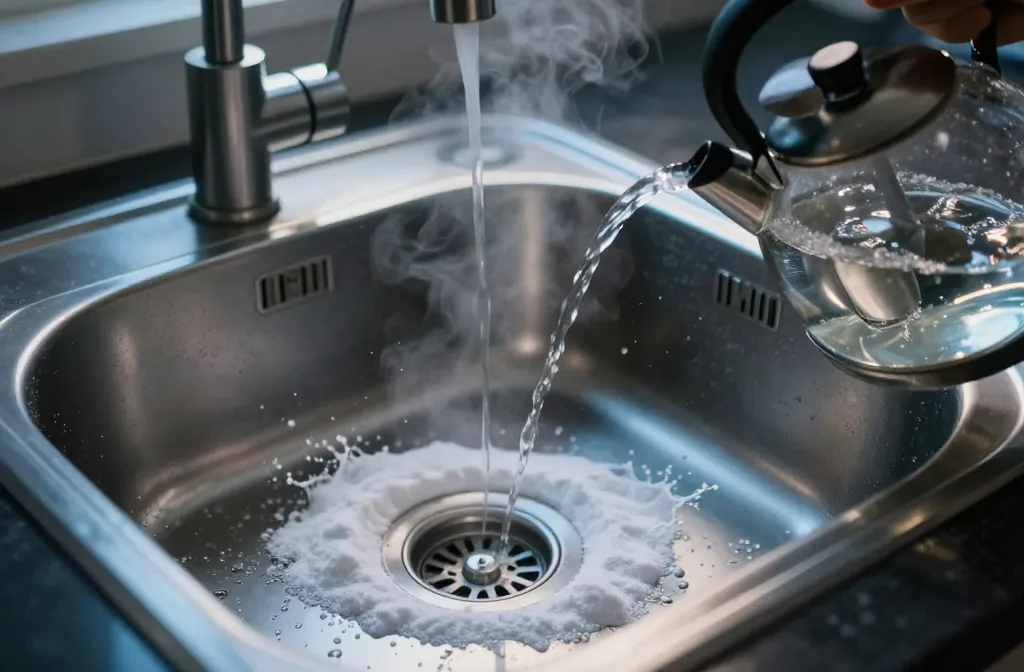
I hate clogged drains as much as the next person, but I love a good hack. You know that satisfying moment when you pull the plug and the water actually drains? Pure victory. Let’s skip the drama and get straight to the clean, shiny truth about cleaning kitchen sink drain hacks.
Quick diagnostics: is your drain the villain or just lazy?
Ever wonder why your sink keeps gurgling or smelling like last week’s leftovers? Sometimes it’s a villain, sometimes it’s just a sleepy drain. First, rule out the obvious: is there a visible food chunk or grease causing a blockage? If yes, that’s your cue to tackle it head-on.
– Look for standing water after a minute or two.
– Sniff for a sour, rotten scent—hello, biofilm party in your pipes.
– Check beneath the sink for leaks; a leaky trap invites all sorts of grime to move in.
– If the water level drops slowly, you might have a partial clog you can loosen with a simple hack.
If you’re brave and curious, try a quick, non-scary test: run the faucet on hot for 30 seconds, then switch to cold and let it drain. If it’s still slow, you’ve got work to do. FYI, don’t ignore it—slow drains are a slippery slope toward bigger headaches.
The classic DIY drain-cleaning trio you can actually trust
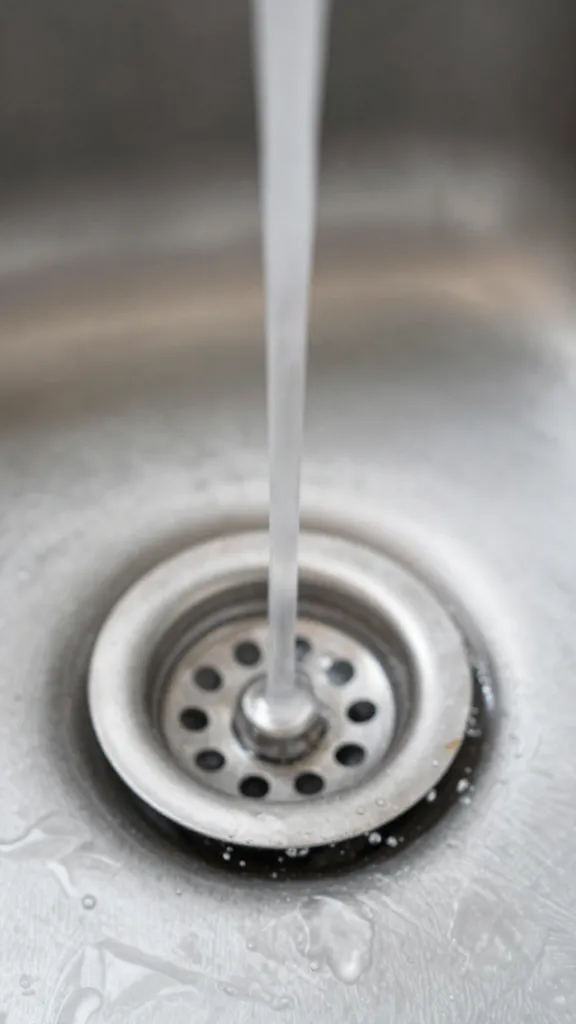
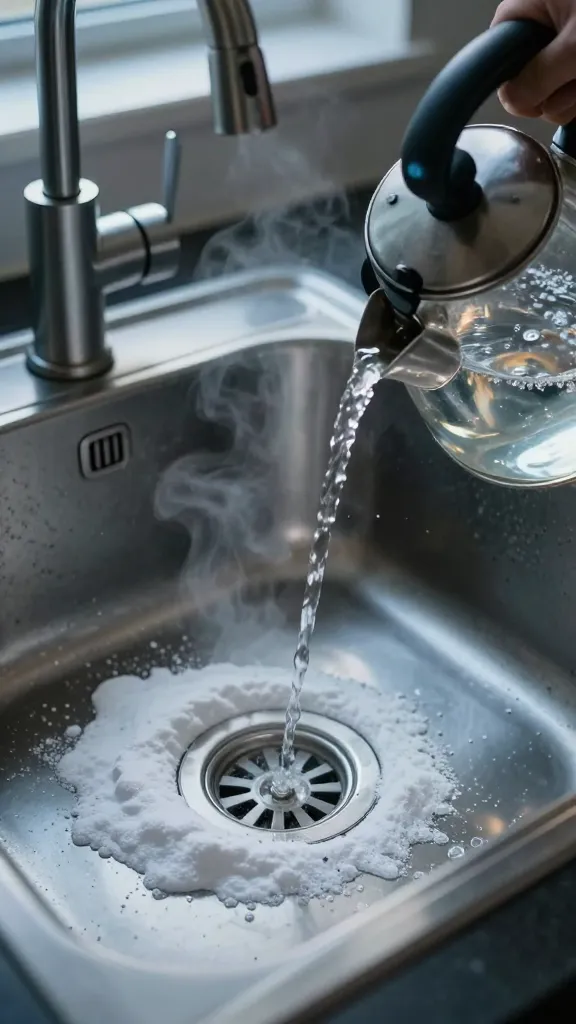
We all know the pantry hero trio: baking soda, vinegar, and hot water. It sounds cliché, but it works wonders without turning your kitchen into a chemistry lab.
– Step 1: Boil a kettle of water.
– Step 2: Pour 1/2 cup baking soda down the drain.
– Step 3: Immediately pour 1 cup of white vinegar. Hear the fizz? That’s your plumbing applauding.
– Step 4: Let it sit for 15 minutes, then flush with hot water.
If your sink still protests, repeat once more or move to a mechanical option. The fizz is real and it’s cheap therapy for a stubborn clog.
Mechanical hacks that don’t require a plumber
Sometimes you need something a bit more hands-on than fizzing chemistry. Here are bite-sized, DIY-friendly methods you can try tonight.
The trusty plunger trick
– Block the other opening of the sink with a wet rag to create suction.
– Plunge with confidence, not fear. A few strong pumps should loosen the clog.
– Run hot water to clear the debris you’ve dislodged.
If you’re dealing with a stubborn clog, try a few more rounds and then switch to the next method. No shame in giving your sink a pep talk during this step.
Snake it out: when the going gets tough
– Use a drain snake or a flexible auger.
– Feed it slowly into the drain until you meet resistance, then twist and push gently.
– Pull back a bit to bring up gunk, then repeat until the water flows freely.
Pro tip: wear gloves and have a bucket handy. It’s not glamorous, but it works.
Watch your traps (the unsung heroes of the plumbing world)
– Place a bucket under the P-trap, then unscrew the connection.
– Clean out the hair, soap scum, and whatever else is lurking inside.
– Reassemble, run the faucet, and check for leaks.
If you’ve never opened a P-trap before, take it slow. You’ll feel like a DIY pro once you see all the gunk you’ve been dodging.
Natural power vs. chemical cleaners: what actually helps
Big box cleaners boast dramatic claims, but not all of them are friendly to your pipes or the planet. Here’s how to choose wisely without turning your kitchen into a chemical lab.
– Natural options work well for routine maintenance and light clogs.
– Avoid harsh, caustic chemicals that can corrode pipes and kill helpful bacteria in septic systems.
– Always follow safety guidelines and ventilate the room if you’re using anything stronger.
Tip: FYI, always rinse thoroughly after using cleaners. Residue = slow drain and potential odors.
Preventing clogs before they happen
The fastest way to a happy sink is avoiding clogs in the first place. Here are simple habits that pay off.
– Use a sink strainer and empty it regularly. You’ll thank yourself later.
– Scrape plates into the trash, not the sink. Your future self will hug you.
– Run hot water for 15–30 seconds after washing dishes to dissolve fats and oils.
– Consider a weekly maintenance routine with a mild baking-soda-and-hot-water flush.
Small changes, big wins. IMO, consistency is sexier than a one-off miracle fix.
Special case: garbage disposal do’s and don’ts
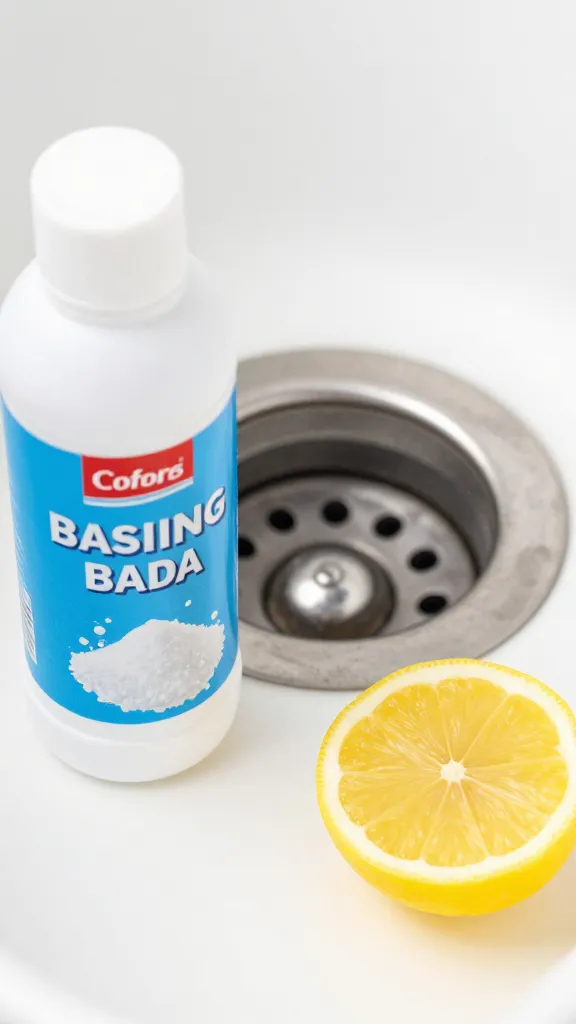
If your kitchen has a disposal, keep it happy with targeted care. Disposals can jam or stink if you feed them the wrong stuff.
– Do grind citrus peels or ice to keep blades clean and grease-softening.
– Don’t dump fibrous produce like celery stalks or corn husks. They wrap around and chill your disposal.
– Do run cold water while grinding to keep the blades lubricated and clog risks down.
– Do use baking soda and vinegar sparingly; the disposal hates a full-on fizz fest.
If your disposal smells funky, a quick lemon-water rinse can do wonders. If it’s making grinding noises, turn it off and reset per the manual. No heroics—just safe troubleshooting.
When to call in the pros
Some clogs refuse to budge, and that’s okay. If you notice persistent leaks, sewage smells, or water backing up into sinks in other rooms, it’s time to call in a plumber. Don’t risk a bigger mess or a DIY injury.
– If you can’t locate the trap cleanout or it’s oddly installed, hire a pro.
– If you hear gurgling in multiple fixtures, there’s a bigger issue brewing in your plumbing network.
– If you’ve tried multiple methods and the drain still drains like a sloth, professional assessment saves time and headaches.
FAQ section
Why does my kitchen sink drain slowly after using the garbage disposal?
A: Food waste or grease can accumulate in the trap or piping beyond the disposal. Try removing and cleaning the P-trap, and use the baking soda-and-vinegar approach followed by hot water to clear residual buildup. If it persists, a professional cleaning is worth it.
Is it safe to use a chemical drain cleaner on a kitchen sink with a garbage disposal?
A: Not ideal. Harsh chemicals can damage disposals and pipes, plus they might kill beneficial bacteria in septic systems. Stick to mechanical methods or milder cleaners, and always follow the product directions.
How often should I perform a drain maintenance routine?
A: Monthly light maintenance and a deeper clean every 1–3 months work for most households. Tailor it to how often you cook and how much grease goes down the sink.
What should I do if smelling odors keep returning?
A: Odors usually mean trapped organic matter or biofilm. Clean the trap, flush with hot water, and consider a citrus or peppermint essential-oil rinse (diluted in water) for a fresh scent. If the smell persists, it might be a venting issue or a more stubborn buildup.
Conclusion
Clog-cleaning is less drama, more routine maintenance. With a few smart hacks, you can keep your kitchen sink drain flowing like a champ and your sanity intact. Remember to start with simple, natural methods, escalate to mechanical help when needed, and don’t forget the preventive habits that save you from future headaches. IMO, the best feeling is gliding the stopper and hearing that satisfying drain sigh of relief. Stay curious, stay messy, and may your drains stay forever drama-free.
Leave a Reply