
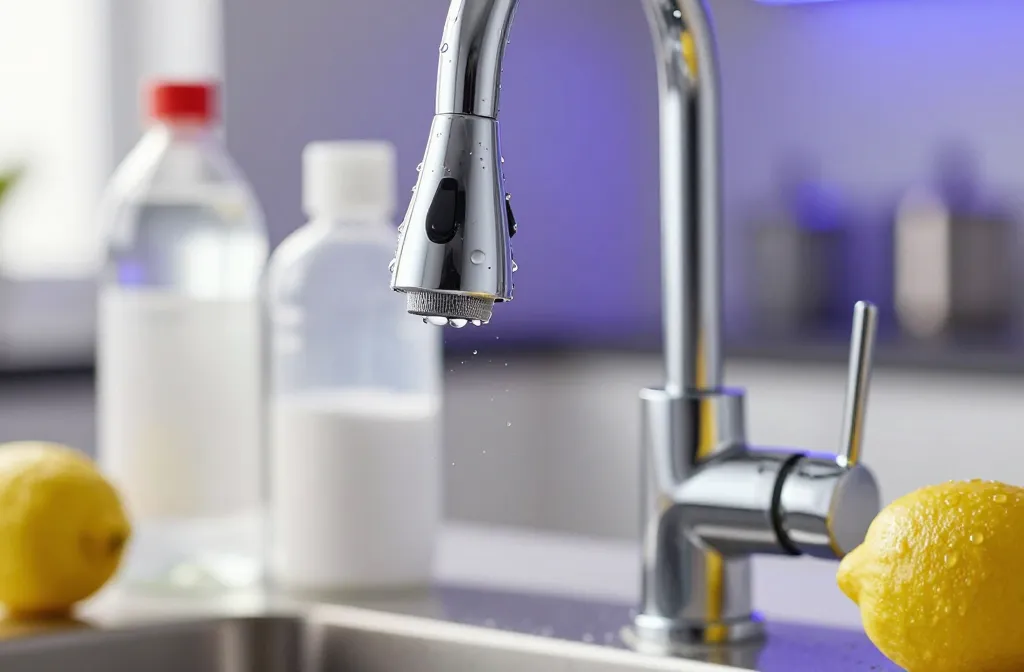
If your faucet looks like it survived a battle with hard water and soap scum, you’re not alone. Let’s cut through the grime with some practical hacks that actually work—and don’t require a dungeon-full of chemicals. Ready to get that spark back? Let’s dive in.
Hack 1: The Power of White Vinegar You Didn’t Realize You Needed
Vinegar is the MVP of home cleaning, and yes, it’s perfectly safe for most faucets. FYI, it’s not a miracle on every stain, but it’s fantastic for mineral buildup and cloudy haze.
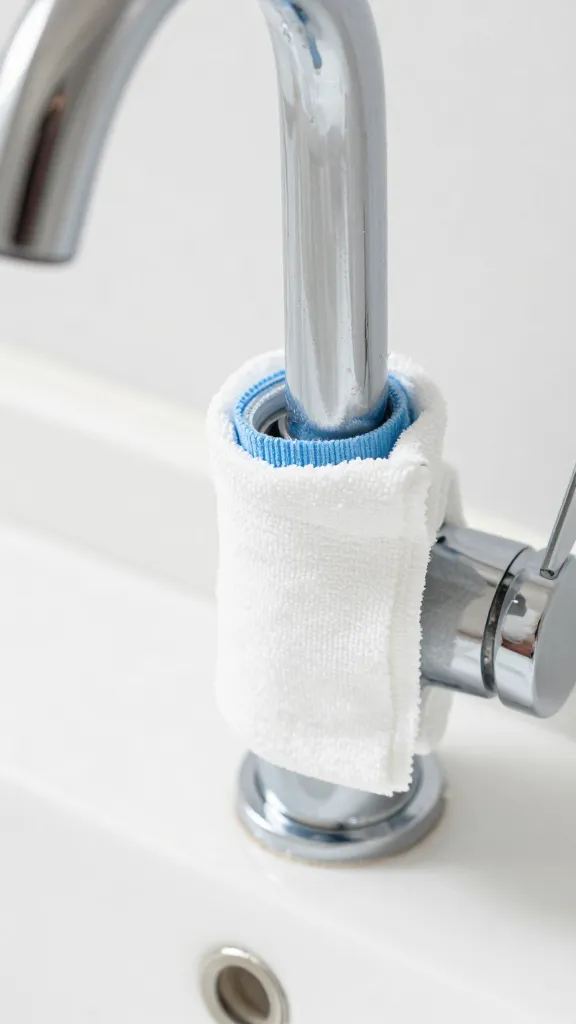
– Soak method: Douse a cloth in white vinegar, wrap it around the faucet base or aerator, and let it sit for 15–20 minutes. The minerals should start loosening up after a quick scrub.
– Spray-and-wait: Mist vinegar on the chrome or brass surface, then wipe with a microfiber cloth. It’s quick, simple, and you don’t have to scrub forever.
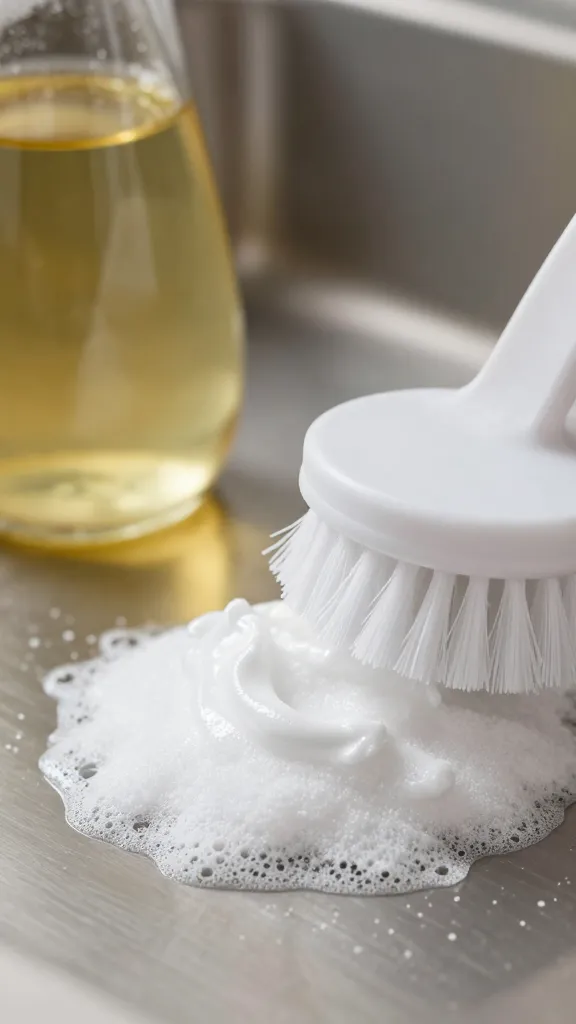
– For stubborn spots: Make a paste of vinegar and baking soda. Apply, let sit, then buff with a soft brush.
Subsection: Avoiding vinegar pitfalls
– Don’t use vinegar on natural stone or marble in the bathroom, and don’t mix it with bleach. That blend is a no-go and can release harsh fumes.
– If you’ve got a coated or delicate finish, test a small patch first. FYI, most modern faucets tolerate vinegar just fine, but it’s worth a quick check.
Hack 2: The Airtight Seal of Baking Soda and Lemon
Baking soda is gentle, but when you pair it with lemon, you get a little extra zing that tackles dullness and grime.
– Paste it: Mix baking soda with a splash of water to form a thick paste. Scrub the faucet lightly, focusing on crevices where water loves to linger.
– Lemon power: Rub half a lemon over the paste for a natural citrus boost. The acidity helps break down soap scum while leaving a fresh scent.
– Rinse and dry: Wipe away the paste with a damp cloth, then dry with a microfiber towel to prevent water spots.
Subsection: When to reach for a softer brush
– Use a soft-bristled toothbrush for tight seams and around the base. Don’t go full drill sergeant on the chrome; you’ll scratch it.
Hack 3: The Aerator Rescue Mission
The aerator—the little screen on the end of your faucet—collects gunk, minerals, and all sorts of “what if” particles. It’s small but mighty.
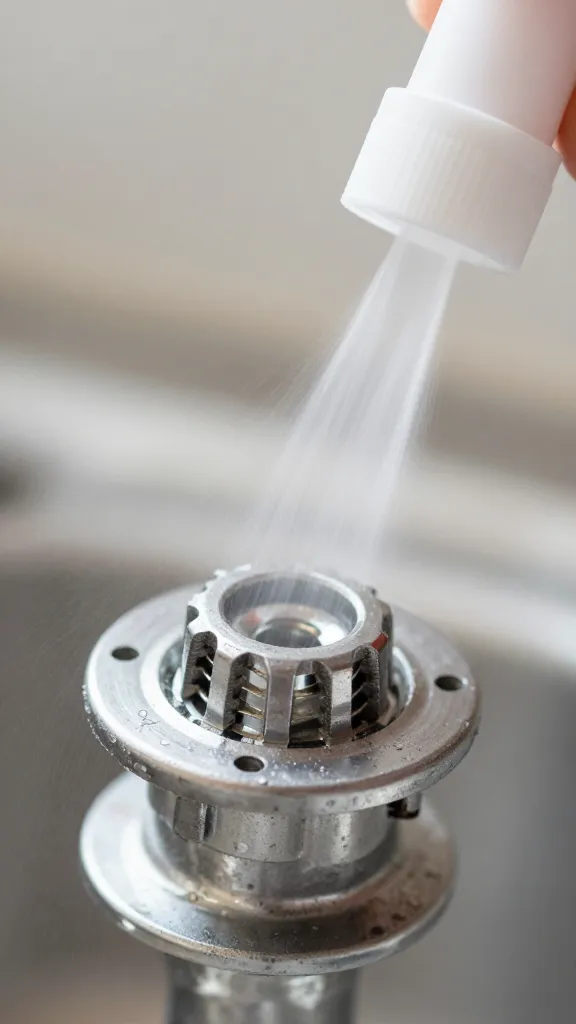
– Unscrew it: Use a pair of pliers or a wrench wrapped in tape to avoid scratching. If it’s stubborn, apply a few minutes of vinegar soak.
– Soak solution: In a small bowl, submerge the aerator in white vinegar for 15–30 minutes. If you’re feeling fancy, a pinch of baking soda won’t hurt.
– Scrub and reassemble: Use a soft brush to remove debris, rinse, and reattach. If the flow still feels weak, you might have mineral build-up deeper in the hose, but at least you’ll know the aerator isn’t to blame.
Subsection: Quick checklists for next time
– Inspect every 6 months to prevent major clogs.
– Keep a small brush handy for a fast clean before guests arrive.
Hack 4: The Shine-Boosting Sealant (When to Use and When to Skip)
A light protective sealant can keep your faucet gleaming longer between cleanings. Think of it as sunscreen for your chrome.
– Choose the right product: Look for a non-abrasive, water-repellent metal sealant designed for faucets. Avoid silicone-based stuff on certain finishes unless the manufacturer approves it.
– Apply with care: Wipe on a thin layer, then buff to a shine with a microfiber cloth. Don’t overdo it—less is more here.
– Reapply schedule: Every 6–12 months, or after a particularly heavy mineral season.
Subsection: Pros and cons
– Pros: Slower buildup, easier clean-up, less spotting.
– Cons: Requires a bit of maintenance and product selection matters. IMO, it’s worth it if you hate scrubbing every week.
Hack 5: The Daily Glow Routine (Short, Smart, Effective)
Sometimes the best hack is a tiny habit that saves you effort later.
– Rinse after each use: A quick rinse with warm water washes away minerals and soap scum before they stick.
– Dry the faucet: A quick wipe with a microcloth prevents water spots and keeps the chrome slick.
– Weekly wipe-down: 2 minutes is all you need. Mix a splash of vinegar with water for a fast wipe, then dry.
Subsection: A simple routine you can actually keep
– Morning glance: While brushing teeth, give the faucet a quick once-over.
– Evening wrap-up: Do a 60-second wipe-down and you’ll see the difference in a month.
Hack 6: Kids Will Be Impressed (Or, How to Make It Fun)
Cleaning doesn’t have to be boring. Turn it into a mini mission and get a little friendly competition going.
– “Captain Sparkle” challenge: See who can remove the most grime from the faucet with a soft brush in 90 seconds.
– Music break: Put on a 3-minute song and race to finish the wipe-down before the chorus hits.
– Rewards: Small treats or bragging rights for the cleanest faucet on the block.
Subsection: When to keep it educational
– Teach your kids about minerals and why certain cleaners work. It’s science with a spritz of humor.
Hack 7: The Non-Negotiables for Different Finishes
Not all faucets are the same, and finishes matter for maintenance.
– Chrome: Easy to keep shiny with mild cleaners and a quick dry. Forgiving, but still scratch-prone if you scrub hard.
– Nickel: Gentle cleaners only; avoid acidic solutions on brushed finishes to prevent dulling.
– Brass: Don’t soak for long in harsh solutions; buff with a soft cloth to keep the warm glow.
Subsection: Quick finish cheat sheet
– Avoid bleach on brass and some coated finishes; it can ruin the patina.
– Always test in an inconspicuous spot before a full clean.
FAQ (formatted with
tags)
Can I use lemon juice instead of vinegar for mineral buildup?
Lemon juice works similarly to vinegar for lifting mineral deposits, and the fragrance is nice. However, it’s a bit more acidic and may corrode certain finishes over time if used aggressively. If you go lemon, dilute and test a small area first.
Is it safe to use store-bought cleaners on stainless steel faucets?
Most store-bought cleaners labeled for stainless steel work fine, but skip anything abrasive. Read the label and avoid harsh alkalis or solvents that can dull the finish. IMO, a mild spray and microfiber wipe often beats a heavy-duty cleaner.
What about hard water, can I prevent buildup long-term?
Hard water is the culprit behind most mineral stains. Use a daily rinse and dry routine, and consider a whole-home water softener if buildup is a persistent issue. FYI, small investments now save big scrubbing later.
My aerator is stuck. Any tips to loosen it without damage?
Yes. Apply a small amount of penetrating oil around the threads and wait a few minutes. Then gently twist with a cloth-wrapped wrench. If it still won’t budge, soak longer in vinegar and retry. Don’t force it—you’ll strip the threads.
Do DIY cleaners harm the finish on brushed nickel?
Some DIY mixes can. Stick to mild cleaners and avoid abrasive scrubs. Always test on a hidden patch first and buff with a soft cloth.
Conclusion
So there you have it—seven practical hacks to get your faucet gleaming without turning cleaning into a full-time job. Whether you lean into vinegar, baking soda, or a smart weekly routine, you’ll see a difference faster than you think. FYI, consistency beats complexity every time. Shine doesn’t require secret formulas—just a little know-how and a willingness to wipe a bit more often.
Want more tips tailored to your faucet finish or home setup? Tell me what you’re dealing with (bathroom, kitchen, or outdoor faucet), and I’ll tailor a fresh mini-plan for you.
Leave a Reply