

The dishwasher is your silent hero—until it starts smelling funky and the dishes look rebellious. Let’s skip the drama and clean it with plain old vinegar. Quick, cheap, and surprisingly satisfying, right?
Why vinegar? A quick pitch you can actually trust
Vinegar is basically the superhero of fridge science: it dissolves mineral buildup, kills some odors, and won’t wipe out your entire budget. FYI, it’s not a magic potion for every mess, but for regular maintenance, it’s gold. You’ll notice cleaner spray arms, better drainage, and dishes that come out with fewer mystery specks.
What you’ll need for a vinegar-powered clean
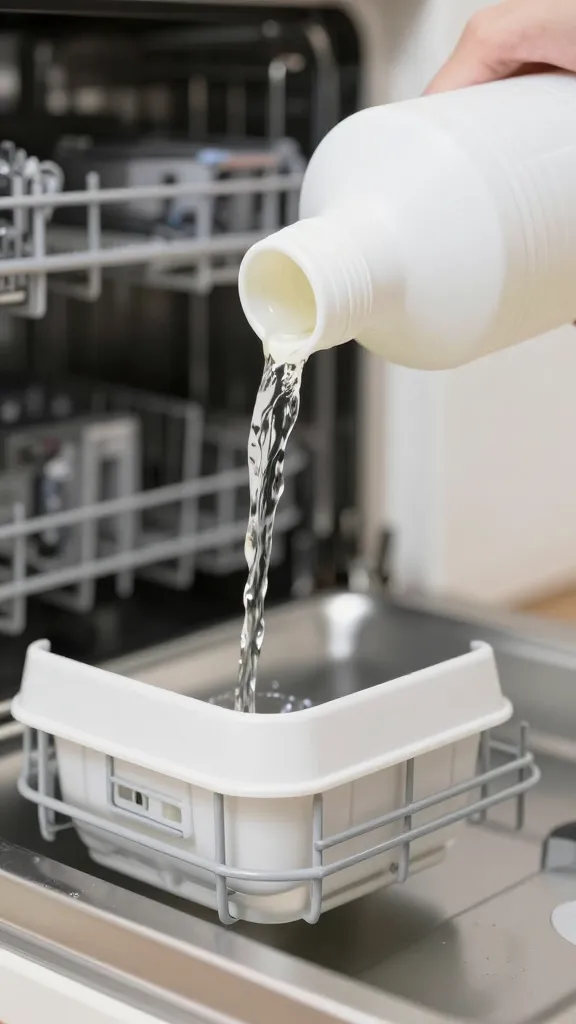
- White distilled vinegar (about 2 cups, or a large bottle if you’re feeling ambitious)
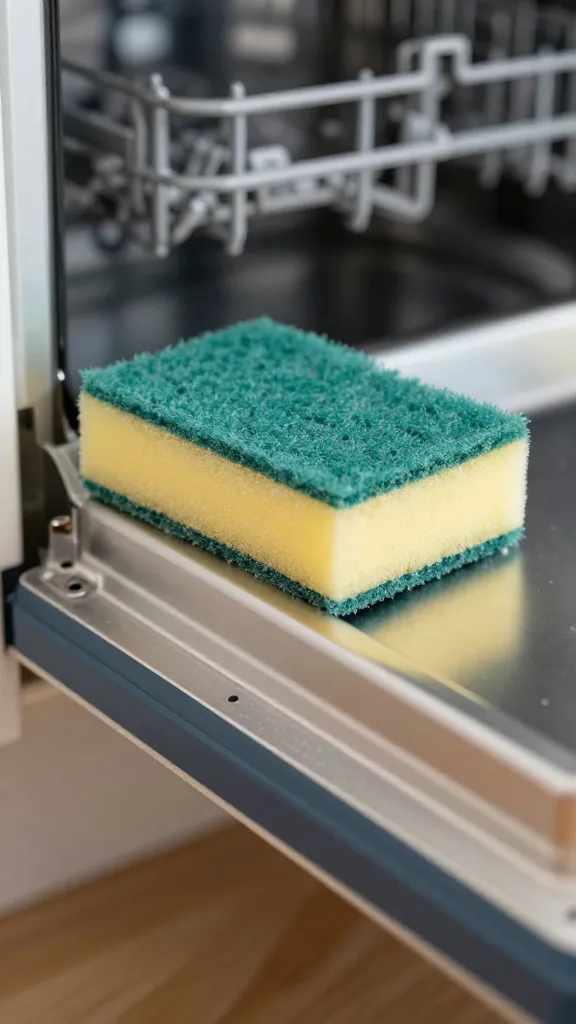
- A clean sponge or cloth
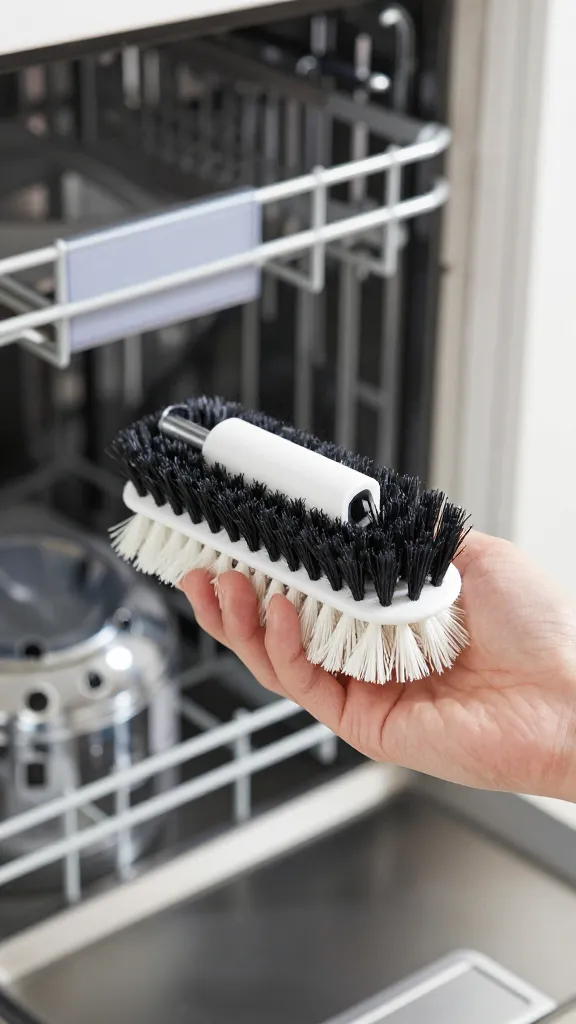
- A soft-bristled brush for tiny crevices
- Optional: baking soda for a bit of extra punch
If you’ve got a hidden stash of lemon peels, you can toss one in for fragrance. But keep it simple—vinegar is the star here.
Step-by-step: the basic clean that actually sticks
- Unload the chaos: Take out any debris from the drain and filter area. Yes, that little mesh screen collects more snacks than a sci-fi convention.
- Run a hot water rinse: Let the machine run on a hot cycle with nothing in it to get things warmed up. This loosens grease and makes the vinegar do less heavy lifting later.
- Pour in the vinegar: Pour 2 cups of white vinegar into a dishwasher-safe container or directly into the bottom of the tub. No, you don’t need a fancy dispenser—trust the law of gravity.
- Run a hot cycle: Start the hottest, longest cycle you’ve got. The vinegar will circulate, tackling mineral buildup and reviving odors. FYI, your dishes won’t taste like vinegar at the end—but you might smell it briefly at the start.
- Spot-check and wipe: After the cycle, wipe the door gasket and edges. If you see any gunk, give it a quick scrub with a sponge.
- Optional extra boost: sprinkle a little baking soda on a damp sponge and wipe down the inside for a fizz-and-fresh finish. This helps with any lingering smells and gives a gentle polish.
How often should you clean with vinegar?
- Light maintenance: Do this once a month if you run the dishwasher fairly regularly.
- Hard water trouble: If you’ve got hard water, you might notice mineral buildup faster. Then bump it to every 2–3 weeks.
- Smell problems: If you detect a musty odor, do a quick vinegar run right away and then stick to a monthly schedule.
Troubleshooting: when vinegar alone isn’t enough
- Gunky filter or spray arms: Vinegar helps, but you’ll get better results if you remove and scrub the spray arms and filter periodically. Look for clogs and clean them with a brush.
- Bad odors linger: Consider a combined approach—vinegar clean, then a baking soda wipe, and keep the door slightly ajar after cycles to let it air out.
- Mineral crusts: If you see hard mineral deposits that vinegar can’t touch, you might need a specialized descaler or a longer soak with vinegar followed by a scrub.
A deeper dive: the science behind the sparkle
Vinegar is acetic acid. It loosens mineral bonds, especially calcium carbonate, which is what hard water deposits. That means fewer white, chalky rings on your dishes and a cleaner interior. It’s not a kitchen bomb for every type of stain (think burnt-on cheese), but for regular maintenance, it keeps the plumbing happy and the LED indicators happier.
Do’s and don’ts with vinegar in your dishwasher
- Do use white distilled vinegar. It’s cheaper, neutral, and won’t color things like some colorful vinegars might.
- Do run the cycle on the hottest setting you have. Heat helps vinegar cut through grease and grime.
- Do keep it simple—one maintenance clean per month, not a science experiment every week.
- Don’t mix vinegar with bleach or ammonia. That’s a toxic gas party you do not want to RSVP to.
- Don’t rely on vinegar alone for severe blockages. If water pools or you hear grinding, call in a pro or try manual cleanings first.
When to bring in backup: signs you’re overdue for a deeper clean
- Your dishes still come out damp or spotty after a cycle
- You notice a sour or moldy odor even after running a cycle
- Water doesn’t drain properly or you hear unusual noises
- You see persistent mineral buildup around the spray arms or door seals
Pro tips for stubborn buildup
- Soak the spray arms in a tub with hot water and a splash of vinegar for 15–20 minutes, then scrub.
- Use a toothbrush to scrub around the door seal and the hard-to-reach areas.
- Run an extra hot cycle once in a while without any dishes to keep the interior clear.
Other natural cleaners you can mix with vinegar (for the adventurous)
- Baking soda can be used after a vinegar run for a fresh finish, not before. The fizz helps lift residual grime.
- Lemon juice adds a fresh scent, but be mindful of the acid-scent combo—that might feel a bit zingy if you’re sensitive.
FAQ
Is vinegar safe for all dishwasher seals and parts?
Most manufacturers approve vinegar for routine maintenance, but check your model’s manual if you’ve got a fancy high-end unit. If your gasket looks worn or brittle, avoid aggressive cleaning and consider a gentler approach or professional advice.
Will vinegar leave a taste on my dishes?
Nope. When you run a hot cycle with vinegar and then a plain rinse, dishes come out odorless. If you ever notice a tang, run an extra rinse cycle or skip adding anything else during the next clean.
Can I use apple cider vinegar instead of white vinegar?
Stick to white distilled vinegar for dishwasher maintenance. Apple cider vinegar has color and extra flavors that might transfer or interact oddly with sensors and seals.
What about hard water? Will vinegar fix everything?
Vinegar helps with mineral buildup, but it’s not a miracle cure for extreme hard-water issues. For heavy scaling, you might need a commercial descaler or a longer-term water-softening solution. IMO, a regular vinegar routine plus a yearly professional cleaning does wonders.
How long does a vinegar cleaning cycle take?
Typically around 60 to 90 minutes depending on your machine and cycle selection. It’s not a full spa day, but you’ll feel the neatness vibes afterward.
Conclusion: keep your dishwasher happy with a simple vinegar routine
Keeping your dishwasher clean is one of those small habits that pays big dividends: better-cleaned dishes, fewer odors, and less drama in the kitchen. Vinegar provides a cheap, easy way to stay on top of mineral buildup and grime without turning the kitchen into a chemistry lab. So next time your dishwasher starts acting up or your mugs look a little suspicious, reach for the vinegar and follow a simple routine. Your future self will thank you, and your plates will look smugly spotless.
Leave a Reply