
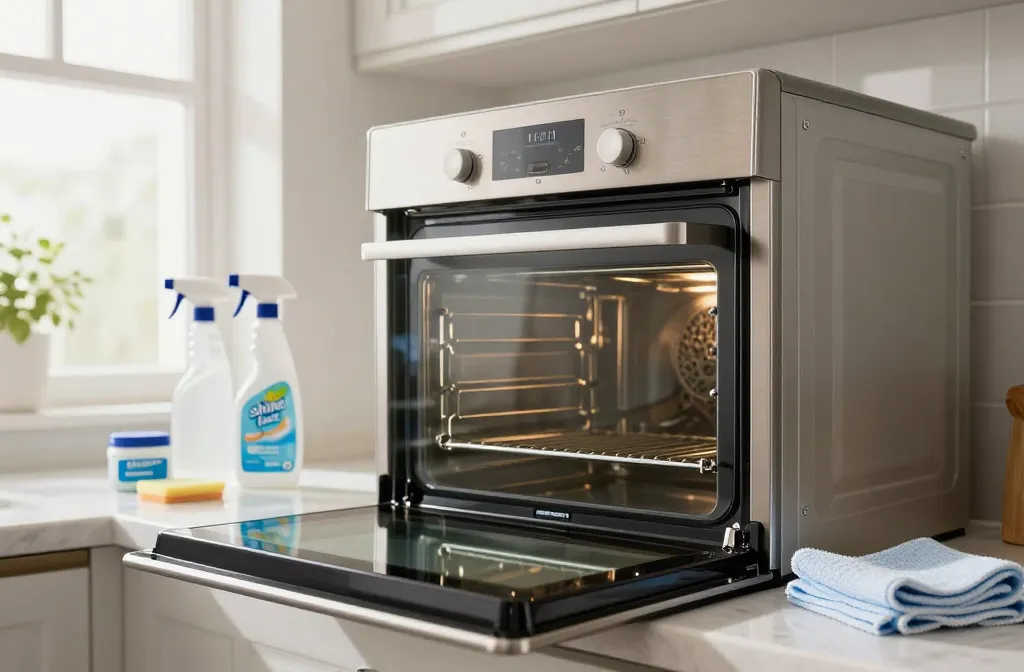
Cleaning Oven Glass Door Tips
You’ve got a stubborn oven glass door that looks like it survived a culinary battlefield. Let’s fix that with practical, no-nonsense tips that actually work. We’ll keep the drama to a minimum and the shine to maximum. Ready to boss that glass back into clarity? Let’s do this.
Why oven glass gets crusty in the first place
– Grease splatters and accumulated spills bake on during high heat.
– Fatty residues caramelize, leaving a brownish fog on the glass.
– Self-cleaning cycles can help, but they’re not magic.
– Over time, mineral deposits from water can smudge the surface.
So yes, it’s a mix of fat, sugar, and a touch of patience. The good news: you can win this battle with a few straightforward moves.
Prep like a pro: gather your gear
Before you dive in, round up these simple tools:
- Spray bottle or bowl of warm water
- Vinegar or a dedicated oven-safe cleaner
- Baking soda for stubborn spots
- Non-abrasive sponge or microfiber cloth
- Plastic scraper or wooden spoon (avoid metal that could scratch)
- Old towels or a baking sheet to catch drips
FYI, you don’t need fancy gear. Just patience and a little elbow grease. Ready to roll? Let’s start with the easiest method.
Easy first pass: daily maintenance routine
This is the boring-but-important stuff that keeps results repeatable.
- Cool the oven completely. No one wants steam in their eyeballs.
- Mix a gentle cleaner: warm water with a splash of vinegar works wonders.
- Spray the glass and let it sit 3–5 minutes to loosen gunk.
- Wipe with a damp sponge, then buff dry with a microfiber cloth.
If you keep up with this, you’ll reduce the need for heavy scrubbing. It’s like brushing your teeth but for oven glass—consistency beats intensity.
Stubborn spots? The brave-but-safe method
For those times when the glass refuses to sparkle, try this combo.
Option A: Baking soda paste
– Mix baking soda with a little water to form a thick paste.
– Apply to spots and let sit 10–15 minutes.
– Scrub with a non-abrasive sponge, rinse, and dry.
Option B: Vinegar soak with a scraper
– Spray undiluted vinegar on the glass. The fizz helps lift grime.
– Use a plastic scraper to gently lift residues—never metal on glass.
– Wipe clean with a damp cloth and dry.
Tip: Do not use abrasive powders or steel wool. That’s a recipe for scratches and regrets.
Deep clean after a messy cookout: when and how
Sometimes a bake-off leaves you with burnt-on splatter across the entire door. Here’s the step-by-step.
- Remove racks to access the glass fully. Set aside safely.
- Apply a top-layer cleaner—preferably one labeled safe for oven glass—and let it dwell for 10–15 minutes.
- Wipe with a damp cloth, then rinse. If residue sticks, repeat once more.
- Dry completely with a lint-free cloth to avoid streaks.
Note: If your oven has a self-cleaning cycle, you can combine a quick wipe-down with a light clean after the cycle, but don’t rely on it exclusively for a spotless glass. FYI, self-clean cycles can discolor metal trims if misused.
Steam and sparkle: DIY steam cleaning trick
Steam can soften grime in seconds, making life easier.
How to do it
- Fill a heatproof bowl with boiling water and a splash of white vinegar.
- Place the bowl on the bottom rack and run the oven at a moderate temp for 5–8 minutes with the door slightly ajar.
- Carefully open the door, inhale the aroma of victory, and wipe away the loosened gunk with a sponge.
Caveat: Don’t burn yourself. Steam hurts, but it’s a tiny price for a shiny pane.
Avoid common pitfalls that ruin your glass
We’ve all made rookie mistakes. Here’s what to avoid so your glass stays gorgeous.
- Avoid harsh metal scrapers that scratch the glass. Use plastic only.
- Don’t mix harsh ammonia-based cleaners with bleach. You’ll regret the fumes later.
- Skip oven cleaners on the glass if your manufacturer warns against it. Check the manual first.
- Don’t over-wipe or scrub too hard; you’ll dull the surface instead of shining it.
A little respect for the material goes a long way. Your glass has seen a lot—treat it like a friend who deserves a spa day.
Maintenance mindset: how to keep it teeny-tiny clean
Small habits equal big results. Try these low-effort tweaks:
- Line up a quick post-cooking wipe-down routine.
- Heat control matters—catch splatters early by cleaning before they bake in.
- Label your cleaning products so you don’t mix things accidentally (or forget what’s what).
- Set a reminder to do a monthly deeper clean, even if you’ve got the habit of quick passes.
Do you notice how simple this is? The payoff is a door that gleams without you breaking a sweat.
When to call in a pro
Not every stain dissolves with DIY magic. If your glass has deep pitting, cracks, or stubborn discoloration after multiple attempts, it might be time to bring in a professional. You’ll spare yourself frustration and potential damage to the door seals. Also, if you’re dealing with a double-paid price point for a range warranty, check if glass cleaning is covered under maintenance—yes, sometimes even the good stuff has warranty perks.
FAQ
Is it safe to use vinegar on oven glass?
Yes, vinegar is a safe, natural cleaner that cuts grease and mineral deposits. Keep it away from any rubber seals if you’re concerned about irritation, and rinse well after use. IMO, it’s a staple for a reason.
Can I use lemon juice or other natural cleaners?
Lemon juice works similarly to vinegar for grease but can leave a residue. If you prefer lemon, dilute it and rinse thoroughly to avoid sticky spots. FYI, natural options still require rinsing and dry-wiping for best shine.
What’s the best scraper for glass?
Use a plastic scraper or a wooden spoon. Metal scrapers can scratch or damage the glass, especially if there are tiny imperfections. You’ll get better results with patience and a gentle touch.
How often should I clean my oven glass?
Light maintenance weekly, a thorough wipe-down monthly, and a deep clean every few months depending on usage. If you cook often with sauces or sugar, do the deep clean a bit more frequently. Consistency wins here, not occasional heroics.
My glass is still cloudy after cleaning. What now?
Cloudiness usually means mineral deposits or heat discoloration. Try a dedicated oven glass cleaner, then a vinegar rinse, and finish with a thorough dry. If the issue persists, consult the manual or a pro—there may be glass surface issues beyond grime.
Conclusion
Keeping oven glass door clean isn’t glamorous, but it’s incredibly satisfying. With the right tools, a bit of patience, and a steady routine, you’ll keep that pane crystal clear instead of frosted in mystery stains. IMO, the payoff is worth it: a quick wipe, a quick gleam, and you’re back to cooking with confidence. You’ve got this, friend—your oven glass is about to become the shining star of your kitchen.
Leave a Reply