
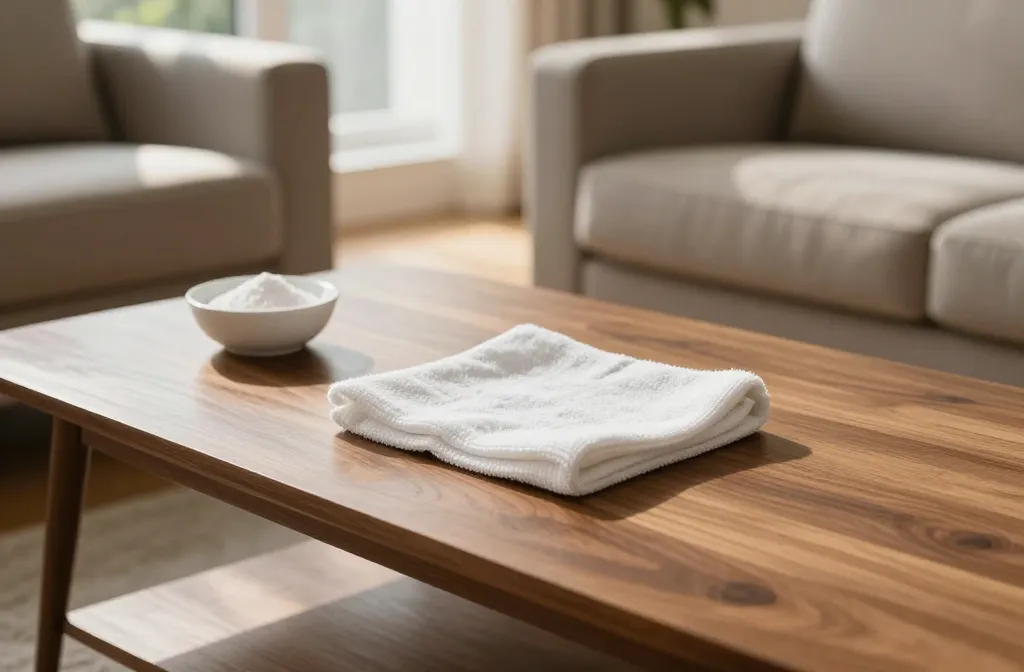
I’ve got a stack of ideas for you: clean furniture without turning your living room into a science experiment. Ready? Let’s dive into six hacks that actually work, no fancy gear required.
1. Dusting without drama: the two-minute pre-clean
Dust loves to hide in plain sight, especially on wood and fabric. Quick prep makes the rest of your cleaning feel like a breeze.
– Grab a microfiber cloth. It traps dust rather than just smearing it around.
– Lightly dampen with water or a tiny bit of dish soap diluted in water for sticky spots.
– Wipe in the direction of the grain on wood, or in circular motions on fabrics and metal.
– Finish with a dry microfiber to lift any remaining powder.
Why this works: dusty buildup can become ingrained, and moisture helps lift it before you tackle bigger stains. FYI, less is more—over-wetting wood can swell it. So go easy, friend.
2. The “spot-cleaning on the fly” formula
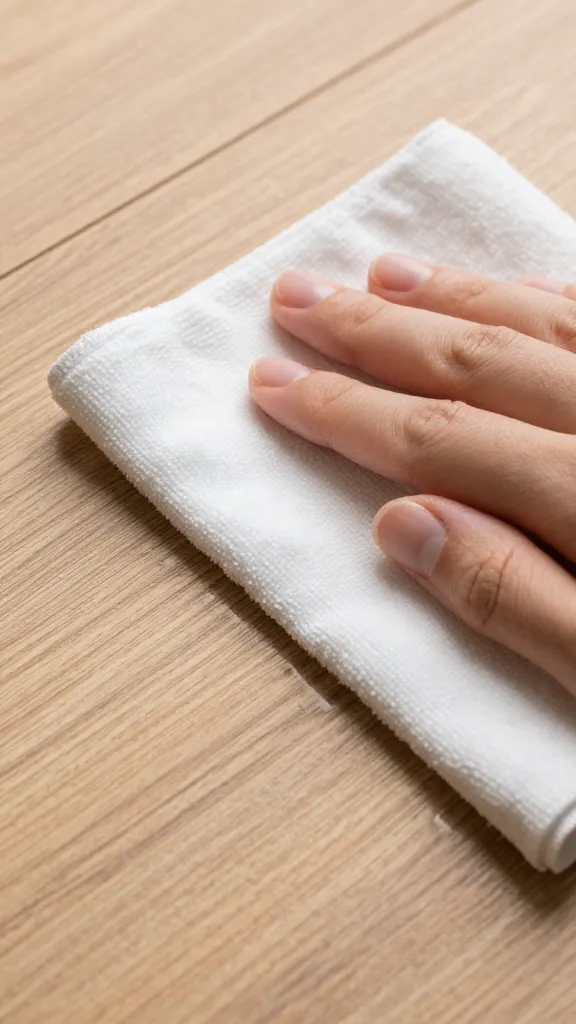
Spill happens. The key is to act fast and choose the right method so you don’t say goodbye to your favorite chair.
Wood surfaces
– Blot, don’t rub. Rubbing pushes stain deeper.
– Use a wood-safe cleaner or a dab of mild soap with water on a cloth.
– Dry immediately to prevent watermarks.
Fabric cushions
– Blot with a clean cloth. Don’t saturate; you’re not washing a dog bed.
– For greasy spots, sprinkle a little baking soda, wait 15 minutes, then brush or vacuum.
– If it’s a stubborn stain, mix a gentle solution of mild detergent and water and test on an inconspicuous spot first.
Quick tip: always test any cleaner on a hidden area first. That way you don’t accidentally turn your sofa into abstract art.
3. The “vibe-restoration” cleanse for upholstered furniture
Your couch is basically a shared family photo album. Keep it fresh without overdoing it.
– Vacuum with an upholstery attachment to remove dust, crumbs, and pet hair.
– For fabric that’s colorfast, a fabric-safe cleaner works wonders. Follow the label and do a patch test.
– Let it dry completely before use. Wet cushions = croissant-level floppiness.
Deeper dive: pet hair bonanza
– Run a rubber glove or a squeegee over cushions to pull hair loose.
– Finish with a quick vacuum pass to catch any stubborn strands.
– Bonus: an ongoing trick—keep a damp microfiber cloth in a zip bag for quick touch-ups before guests arrive.
4. Wood furniture: the easy polish that isn’t a disaster
Wood can be both a showstopper and a headache if you mis-handle it. Here’s a simple routine you can actually stick to.
– Dust first (as above) to avoid grinding dirt into the finish.
– Use a spray-on wood cleaner or a natural oil blend (like a tiny amount of lemon oil and mineral oil). Apply to a cloth, not directly to the surface.
– Wipe with the grain, then buff with a clean, dry cloth.
Why this helps: a good wipe + light polish nourishes the finish and reduces micro-scratches. Do you really need glossy perfection every day? No. Do you want your wood to look alive and cared for? Yes.
Safety note: avoid these common errors
– Don’t saturate wood with water or solvent-based products.
– Don’t mixing cleaners in one go—stick to one product at a time.
– Don’t use silicone-based polishes on unfinished wood; they can create a residue that’s tough to remove.
5. The “smart stain strategy” for spills you’ll actually thank yourself for later
Stains aren’t just unsightly—they feel personal. Here’s a practical plan that doesn’t require a chemistry set.
– Blot up as much as possible immediately.
– Treat with a stain remover suitable for the fabric or wood finish. Follow the label.
– For fabrics, consider a gentle enzyme-based cleaner for organic stains (coffee, wine, etc.). Always patch test first.
– Dry thoroughly before use to avoid mold or lingering odors.
Common stain scenarios and quick fixes:
– Red wine on cotton upholstery: blot, apply a small amount of dish soap mixed with water, rinse, blot dry.
– Ink on leather: dab with a cotton swab dipped in rubbing alcohol, then condition the leather.
Want a foolproof approach? Pre-treat a hidden corner with your chosen method the night before you clean the whole piece. FYI, consistency beats hero moves.
6. Finishing touches: protect, not just clean
Keeping furniture cleaner longer means a couple of smart habits.
– Use coasters and placemats on wood and fabric to minimize stains and rings.
– Consider slipcovers for busy rooms. They’re washable and make quick refreshes possible.
– Regular maintenance beats heavy cleaning. Schedule a monthly wipe-down and spot-check for stains.
Big picture: you’re not just tidying up; you’re setting up a fortress of good habits that save you time in the long run. IMO, the small wins compound into a much nicer living space.
FAQ
What’s the best way to clean microfiber furniture?
Vacuum first to remove loose debris, then spot-clean with a mild detergent solution or a fabric-safe cleaner. Use a soft brush to lift fibers while you clean, and let it air-dry completely. Microfiber is forgiving but patience pays off.
Can I use vinegar on wood furniture?
FYI, a diluted solution of white vinegar and water can work for light cleaning on sealed wood, but test first in an inconspicuous spot. Don’t use straight vinegar on unfinished wood or waxed surfaces, as it can strip protective coatings over time.
How do I remove pet odors from fabric?
Sprinkle baking soda, let it sit for 15–20 minutes, then vacuum it up. For stubborn smells, use a fabric enzyme cleaner designed for pet odors. Always test in a hidden area first to avoid discoloration.
Is it safe to use all-purpose cleaners on leather?
Generally no. Leather needs special products that condition as they clean. Use a cleaner designed for leather or a damp microfiber with a tiny amount of mild soap, and always condition afterward. Leather loves a gentle touch.
How often should I deep-clean upholstered furniture?
Every 6–12 months is a good baseline, depending on traffic, pets, and kids. If you have allergies or heavy use, a quarterly light clean can help keep things fresh. Space it out so you don’t overwhelm yourself with chores in one weekend.
Conclusion
You don’t need a fancy toolkit or a weekend-long project to have furniture that looks and feels fresh. With these six hacks, you can tackle common messes quickly, keep surfaces in good shape, and actually enjoy sitting on something you’re proud of. So, which hack are you trying first? IMO, start with the quick-dust-and-dry routine—it’s the gateway drug to a cleaner, happier home. And hey, FYI, your future self will thank you for not letting a spill linger like a bad memory.
Leave a Reply